
The Great Thaw: Why Closing the US-Iran War is a Win for the World (and Why Pakistan Leads the Way)
By Rashid Mahmood
April 24, 2026
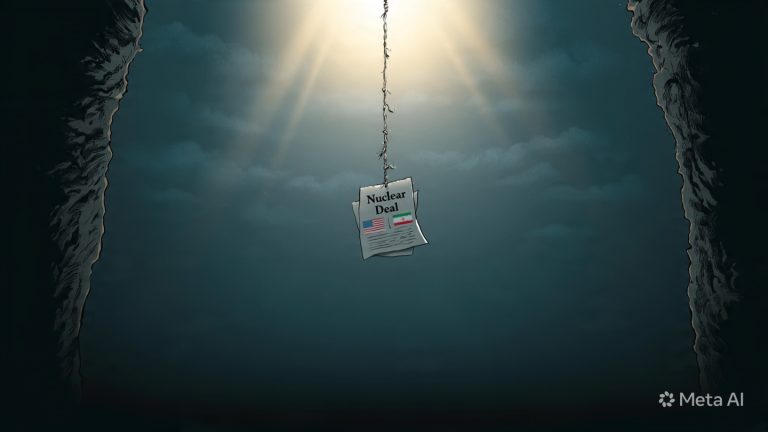
For the first time in months, a wave of relief is washing over global markets and diplomatic circles. While the US-Iran conflict has brought the world to the brink of a devastating economic spiral, the current negotiations—facilitated by Pakistan—offer a blueprint for a “peace dividend” that benefits everyone.
Yes, the situation remains fragile. But let’s look at the glass half full. Here is why ending this war isn’t just about stopping the bad; it’s about unlocking the good for the entire world, with Pakistan emerging as the unexpected linchpin of global stability.
1. The End of the “Tax on the Poor” (Energy Relief)
Let’s talk about money. War is expensive, but peace pays dividends. During the recent escalation, Brent crude spiked toward $100—and even touched higher peaks—directly taxing every single economy on earth .
The Positive Impact of Peace:
When the guns fall silent, the “war premium” on oil evaporates. For developing nations struggling with current account deficits, every $10 drop in the barrel price saves billions. De-escalation means lower petrol prices, cheaper化肥 (fertilizer) for farmers, and reduced manufacturing costs . The world’s supply chains unclog, and the stagflationary shock that was threatening Europe and Asia recedes . Simply put: Peace lowers the cost of living for everyone.
2. Red Sea & Hormuz: Open for Business
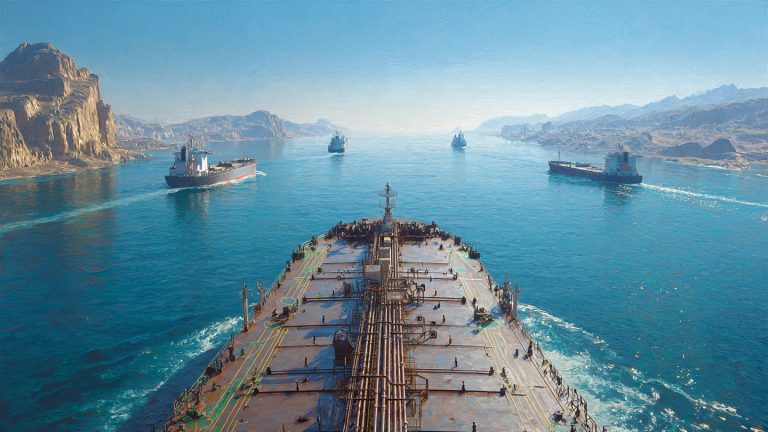
The threat of the Strait of Hormuz being blocked put 20% of the world’s oil at risk. But with the current diplomatic push, we are seeing a return to freedom of navigation .
The Positive Impact of Peace:
Global trade resumes its rhythm. Container shipping rates, which exploded with war risk insurance, normalize. This is critical for supply chains linking Asia to Europe. Furthermore, as the situation stabilizes, logistics companies are turning to safer hubs. Remarkably, Pakistani ports (Karachi, Bin Qasim, and Gwadar) have seen a surge in traffic during the crisis as ships sought safe alternatives. A lasting peace solidifies Pakistan’s role as a regional trade artery rather than a frontline state .
3. Pakistan: The “World Capital of Peace” Steps Up
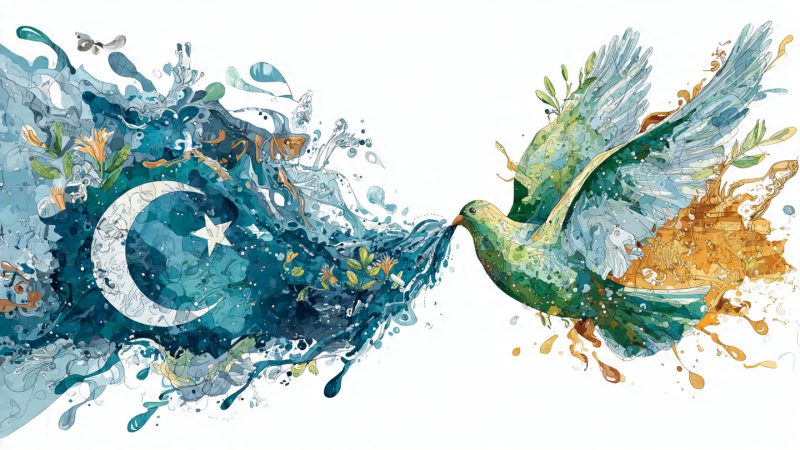
This is the most inspiring narrative shift. As of April 2026, Pakistan has successfully rebranded itself from a security conundrum to the “World Capital of Peace.”
Despite being the only Muslim nuclear power, and despite having a mutual defense pact with Saudi Arabia, Pakistan chose the pen over the sword. Islamabad successfully hosted multiple rounds of US-Iran talks, with leaders like Field Marshal Asim Munir and Prime Minister Shehbaz Sharif personally credited by US President Trump for securing the ceasefire extension .
Why this matters:
Pakistan proved that nuclear responsibility and diplomatic maturity go hand in hand. By facilitating dialogue between Washington and Tehran, Islamabad has earned rare trust from both the West and the Axis of Resistance. This isn’t just “mediation”; this is survival diplomacy. Pakistan is leveraging its unique geopolitical position to pull the world back from the abyss—a role usually reserved for superpowers .
4. Economic Rebound for the “Most Vulnerable”
The war pushed 4-7 million Pakistanis below the poverty line due to energy inflation . The peace process aims to reverse that.
The Positive Impact of Peace:
- Remittances: Pakistan receives over $30 billion annually from Gulf workers. A stable Gulf means these jobs are secure.
- IMF Leverage: By becoming indispensable to the US, Pakistan has gained leverage to soften the terms of economic reforms.
- The Iran Pipeline: De-escalation opens the door to reviving the Iran-Pakistan gas pipeline, giving Islamabad access to cheap, alternative energy .
5. A Victory for “Middle Powers”
The world is tired of bipolar conflict. The US-Iran thaw proves that “Middle Powers” like Pakistan can solve problems that superpowers cannot.
Despite Iran’s skepticism and the complex “double-game” accusations, the mere fact that Tehran and Washington are talking in Islamabad is a win . It establishes a precedent that the Global South can host and resolve the North’s conflicts. It lowers the temperature on the nuclear issue, potentially rolling back the risk of a nuclear arms race in the Middle East.
The Bottom Line
We are not at the finish line, but we have left the battlefield. Closing the US-Iran war removes the single biggest drag on the 2026 global economy.
For the world, it means stable oil, open seas, and lower inflation.
For Pakistan, it is validation. The nation often described as “dangerous” has become the indispensable protector of peace. By securing its borders and its energy future through diplomacy, Pakistan is showing that the only way to win a war in the 21st century is to prevent it.
The future is peaceful, and it is being brokered from Islamabad.