
Online Desk
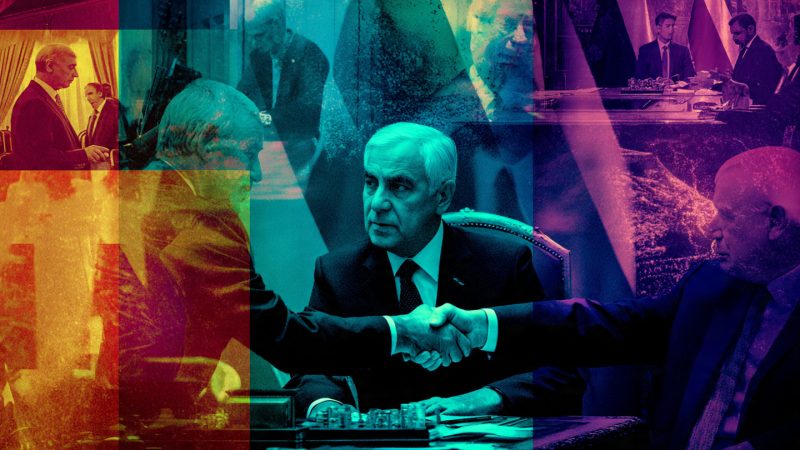
Iran’s top diplomat is visiting Russia as part of a high-stakes overseas tour. Foreign Minister Abbas Araghchi is also visiting two key mediators — Pakistan and Oman. The trip highlights a long-standing and deepening partnership between Iran and Russia.
Russia has remained a critical diplomatic ally for Iran throughout its ongoing conflict with the United States.
Russia’s Uranium Offer Rejected
The Kremlin has repeatedly offered to take custody of Iran’s enriched uranium. This means storing or reprocessing it on Russian soil. In theory, this could resolve some of the key US demands in negotiations to end the war with Iran.
However, President Donald Trump reportedly rejected Russian President Vladimir Putin’s offer. The likely reason? The US wanted to stop Russia — already a global leader in nuclear energy — from gaining even more leverage on the world stage.
A 20-Year Partnership
Beyond uranium, Iran and Russia signed a 20-year treaty in January 2025. The deal strengthens their economic, military, and political partnership. Russia has publicly called US strikes on Iran “unprovoked aggression.”
But importantly, the agreement stopped short of a mutual-defense pact. This means neither country is fully committed to defending the other if attacked.
Yesterday, Russia’s Foreign Minister Sergey Lavrov said he “highly appreciated” Pakistan’s mediation efforts between Iran and the US. He made these remarks during a call with his Pakistani counterpart, Mohammad Ishaq Dar. Lavrov also voiced Moscow’s “readiness to contribute.”
Russia’s Intelligence Role
In March, reports revealed that Russia was providing Iran with intelligence about the locations and movements of American troops, ships, and aircraft. This information came from multiple people familiar with US intelligence reporting on the issue. It was the first clear sign that Moscow sought to get directly involved in the war.
Araghchi’s upcoming trip to Moscow shows that Tehran will be looking to consult its partners in the Kremlin amid the ongoing conflict.
US-Iran Peace Talks — What’s Really Happening?
Iranian Foreign Minister Abbas Araghchi has been meeting with Pakistani officials after arriving in Islamabad yesterday. Meanwhile, US envoy Steve Witkoff and President Donald Trump’s son-in-law Jared Kushner are expected to depart for Pakistan today.
However, Tehran has denied there are any plans for direct negotiations with the US. This contradiction leaves many questions unanswered about whether real peace talks are on the horizon.
Trump’s Comments on Iran
President Trump said that Iran will be making an offer to the United States. He admitted he did not yet know the details of that offer. Just a day earlier, Trump hinted that uncertainty surrounding Iran’s leadership was making talks more complicated.
These shifting statements suggest that communication between the two countries remains unclear and unstable.
Lebanon Ceasefire Already Under Threat
In Lebanon, a ceasefire was recently extended by three weeks. But just one day later, Israeli Prime Minister Benjamin Netanyahu said his country will continue striking “any threat.”
A CNN review of satellite imagery has revealed the full scale of Israeli destruction in southern Lebanon. The images show buildings flattened, roads destroyed, and entire neighborhoods damaged. The ceasefire appears fragile at best.
What This Means for Prospera Readers
The Middle East remains tense on multiple fronts. Iran is strengthening ties with Russia and Pakistan while publicly denying direct US talks at the same time. Lebanon’s ceasefire is shaky. And Israel is still striking.
For those following global diplomacy, economic stability, and peace efforts, these are critical developments to watch.