
By Rashid Mahmood
Iran’s nuclear programme and the Strait of Hormuz remain stumbling blocks during US-Iran talks. US blames Iran for failing to reach an agreement on key issues. JD Vance calls failure of talks “worst news for Tehran.”
ISLAMABAD: The much-anticipated Islamabad talks between the United States and Iran have concluded after 21 hours of marathon negotiations without any formal agreement.
Both delegations left Islamabad on Sunday morning after these rare direct talks — the first in decades between the two adversaries — ended without a positive outcome.
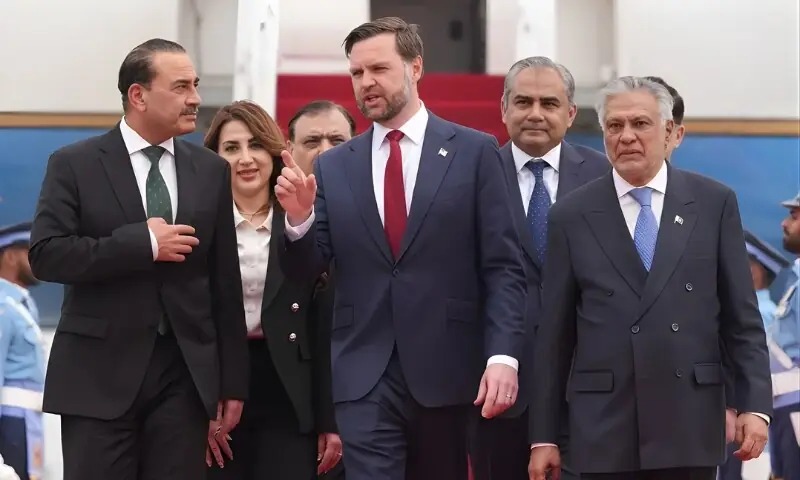
US Vice President JD Vance had a brief interaction with media persons at Noor Khan Air Base in Rawalpindi before departing for the United States.
Speaking to reporters, Vance said, “We held talks in Islamabad with good intentions, but could not reach an agreement.” He claimed that the Iranian side refused to accept US demands regarding its nuclear programme.
The US vice president termed the failure to reach an agreement as “bad news for the US, but worse for Iran.”
“We offered the best proposal to the Iranian side, but it did not accept what we termed as the best concessional offer to end the war and move forward,” Vance added.
He further stated that the US sought a firm commitment from Iran during the talks to not pursue nuclear weapons — a key demand from President Donald Trump. “We gave the best offer for it, but the Iranian side did not agree to our terms.”
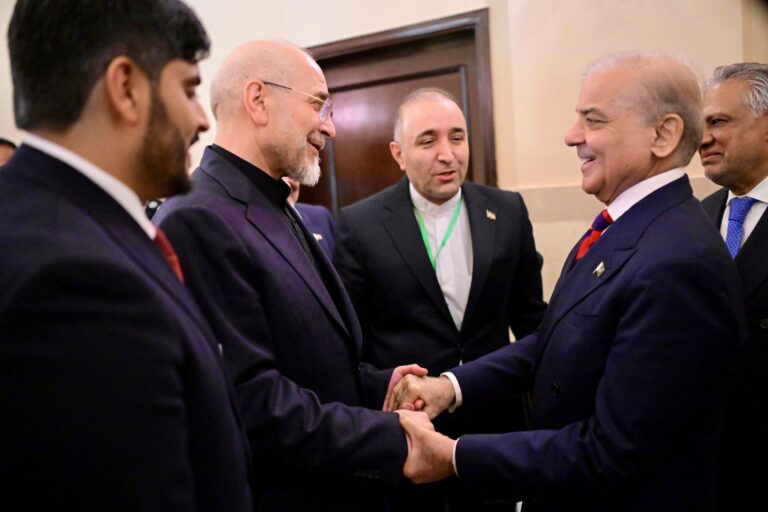
However, Iran’s Foreign Ministry spokesman claimed headway had been made during the Islamabad talks. According to international media reports, Iran is not willing to engage in further talks with the US to end the Middle East war.
The failure to reach a formal agreement is likely to add to already mounting uncertainty over the region’s future. It could continue to cast a shadow over the strategic Strait of Hormuz. In the current situation, fears of rising economic costs from a prolonged Middle East conflict will keep haunting global economies.
Pakistan’s Deputy Prime Minister and Foreign Minister, Ishaq Dar, has appealed to both the US and Iran to observe a ceasefire and keep communication channels open for further talks to establish lasting peace in the Middle East.
The 21-hour-long talks began on Saturday afternoon and ended in the early hours of Sunday. Pakistan hosted the negotiations and made its best efforts to facilitate both parties in reaching an understanding for a formal peace agreement.
Pakistan’s leadership held separate meetings with negotiators from both countries ahead of their formal direct talks. The first session involved top-level discussions, followed by technical-level talks between official teams from both sides.
Soon after the conclusion of the Islamabad talks, Iranian media reported no change in the status of the Strait of Hormuz.
Just a day before the talks, US President Donald Trump had claimed that the US had launched a formal campaign to reopen the strategic waterway.