United Nations: Iran’s ambassador to the United Nations has suggested that Tehran has “received signs” that the United States is prepared to end its naval blockade in the Middle East, a move that could pave the way for the next round of peace talks in Islamabad.
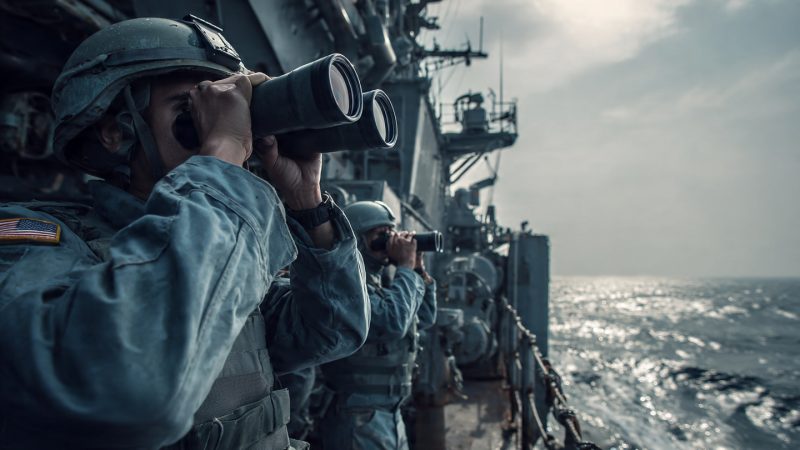
Amir Saeid Iravani, Iran’s UN envoy, told reporters that the Islamic Republic would only attend a second round of negotiations if the Trump administration pulls back from its naval operation blocking the Strait of Hormuz. The strategic waterway, through which approximately 20% of the world’s oil passes, has been a key flashpoint in the escalating tensions between Washington and Tehran.
Blockade Must Be Broken First
Iravani made it clear that Tehran’s participation in the proposed Islamabad Talks is conditional on a change in US posture. “We told them [the US] that they should break this blockade,” he said. “We have received some signs that they are ready to break it, and as soon as they break this blockade, I think the next round of negotiations will take place in Islamabad.”
His comments suggest that behind-the-scenes diplomatic channels may be showing progress, even as public rhetoric remains heated. The Iranian envoy did not provide specific details about the nature of the “signs” or which intermediaries may have conveyed them, but the statement itself represents a shift from outright rejection to conditional engagement.
Iran Ready for Either Path
Striking a firm but measured tone, Iravani made it clear that Iran is prepared for both scenarios – peace or war. “We have not initiated the aggression, they initiated the war against us,” he said. “We are ready. If they want to sit on a table and discuss and find a political solution, they will find us ready. If they want to return to war, in this case, also Iran is ready for them.”
The ambassador’s remarks signal that Tehran sees the ball in Washington’s court. The message appears to be: lift the blockade, and we will talk. Continue the pressure, and we will resist.
Pakistan’s Role Remains Central
The development comes as welcome news for Pakistani diplomacy. Prime Minister Shehbaz Sharif of Pakistan and Field Marshal Syed Asim Munir have been actively engaged in brokering a peaceful resolution, having successfully requested President Trump to extend the ceasefire to allow diplomatic efforts to take their course.
Deputy Prime Minister and Foreign Minister Ishaq Dar of Pakistan has consistently emphasized that dialogue and diplomacy are the only viable means to achieve lasting regional peace and stability. Islamabad remains ready to host the second round of talks, with Iranian officials now signaling that attendance is possible once the blockade is lifted.
A Fragile Window of Opportunity
While Iran’s conditional willingness to negotiate is a positive sign, significant hurdles remain. The United States has not yet officially confirmed any plans to end the blockade. Additionally, recent Iranian threats against US-owned ships and the seizure of cargo vessels in the Strait of Hormuz have raised tensions considerably.
Nevertheless, Iravani’s statement offers a glimmer of hope. For the first time in weeks, a senior Iranian official has explicitly linked the lifting of the blockade to a confirmed path back to the negotiating table. Whether the Trump administration will seize this opening remains to be seen.
For now, the world watches the Strait of Hormuz – and Islamabad – with cautious optimism.
We Have Received Signs US Will End Blockade,’ Says Iran