
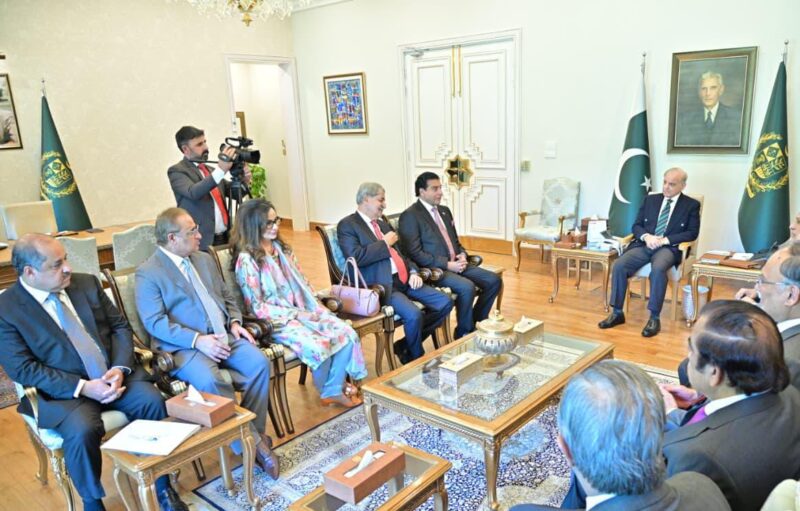
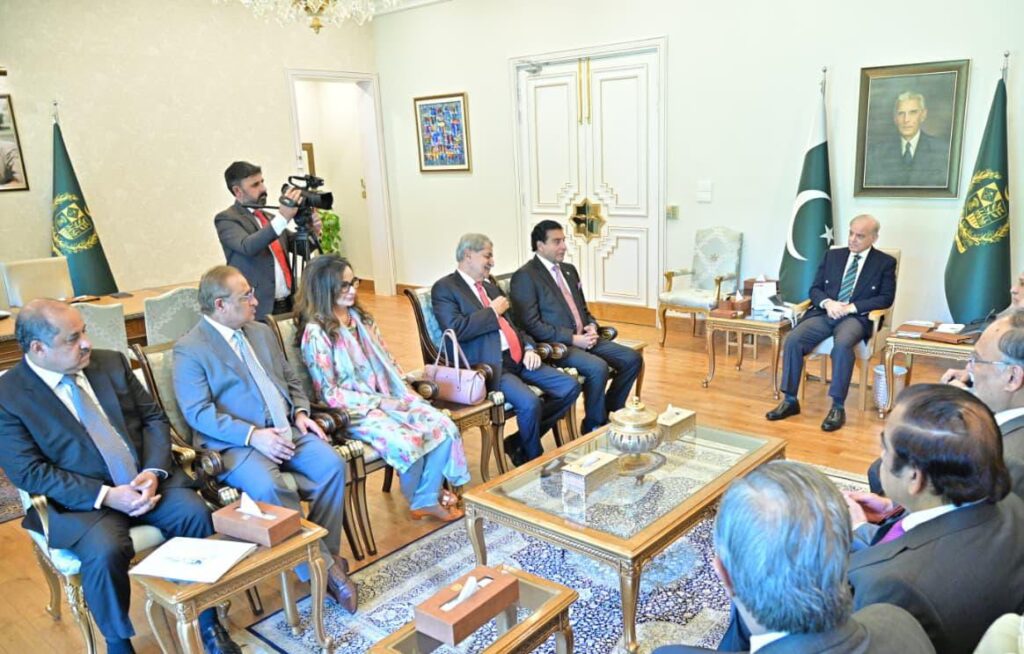
Prime Minister Shehbaz Sharif on Tuesday invited parliamentary leaders to attend an in-camera briefing to deliberate on the rapidly evolving regional security landscape and its implications for Pakistan.
Islamabad: Prime Minister Shehbaz Sharif on Tuesday invited parliamentary leaders to attend an in-camera briefing to deliberate on the rapidly evolving regional security landscape and its implications for Pakistan.
The high-level session will focus on two major developments: the ongoing US–Israel war on Iran and Pakistan’s military campaign, “Operation Ghazabul Haq,” launched last week in response to escalating cross-border terrorism originating from Afghanistan.
According to official sources, the briefing will provide a comprehensive assessment of the US–Israel conflict with Iran and evaluate its potential political, economic, and security repercussions for Pakistan. The widening confrontation in the Middle East has raised serious concerns globally, with fears that the conflict could spiral into a broader regional crisis affecting neighboring countries, including Pakistan.
Simultaneously, Pakistan’s armed forces have intensified “Operation Ghazabul Haq” targeting militant networks allegedly operating from Afghan soil. The operation was initiated after repeated warnings to the Afghan Taliban regime went unheeded. Islamabad has consistently urged Kabul to prevent terrorist groups from using its territory to launch attacks inside Pakistan. However, officials maintain that the Afghan authorities not only ignored these concerns but also failed to curb the activities of such groups.
Over the past year, Pakistan has witnessed a significant surge in terrorist incidents, many of which, according to security assessments, have links to sanctuaries across the border. Pakistani authorities argue that Afghanistan has increasingly become a hub for anti-Pakistan militant elements. Reports from the United Nations have also highlighted concerns regarding militant safe havens, reinforcing Islamabad’s longstanding position on the issue.
Government sources further allege that external actors, including India, are supporting elements within Afghanistan to destabilize Pakistan through proxy warfare. Despite international warnings and diplomatic engagements, Kabul’s alleged inaction has, in Islamabad’s view, left Pakistan with limited options other than decisive military measures.
Security officials claim that “Operation Ghazabul Haq” is progressing successfully, with forces achieving strategic gains against militant infrastructure. Meanwhile, Afghan authorities are reportedly engaging regional stakeholders in an attempt to ease tensions and halt Pakistan’s military campaign.
The timing of Pakistan’s operation coincides with the eruption of the US–Israel conflict with Iran, a development that has plunged the Middle East into heightened instability. Pakistan has reiterated its commitment to regional peace and is actively engaging diplomatic channels to advocate for de-escalation. Policymakers in Islamabad fear that a prolonged war could have far-reaching consequences for regional security, energy markets, and economic stability.
In preparation for the in-camera session, Prime Minister’s Adviser Rana Sanaullah has extended invitations to key opposition and parliamentary leaders, including Mahmood Khan Achakzai, Allama Nasir Abbas, and representatives of the Pakistan Peoples Party, among others.
Addressing the National Assembly, Law Minister Azam Nazeer Tarar stated that the prime minister seeks collective input from the country’s political leadership on the sensitive regional situation, particularly the implications of the US–Israel war on Iran and Tehran’s retaliatory actions.
Deputy Prime Minister Ishaq Dar echoed similar sentiments in the Senate, emphasizing that the government intends to formulate its future course of action after consulting all parliamentary stakeholders during the in-camera briefing.
The upcoming session is expected to play a crucial role in shaping Pakistan’s strategic and diplomatic response to the dual challenges of cross-border terrorism and intensifying geopolitical tensions in the Middle East.
Lorem ipsum dolor sit amet, consectetur adipiscing elit. Ut elit tellus, luctus nec ullamcorper mattis, pulvinar dapibus leo.