

Multan (Prospera) In South Punjab, policing is seldom confined to crime control. It unfolds at the intersection of power, patronage, and principle. Multan, in particular, has long been regarded as a proving ground—where decorated officers arrive with resolve yet often depart diminished by the weight of political interference and an entrenched thana culture. Reputation here is not inherited; it is stress-tested.
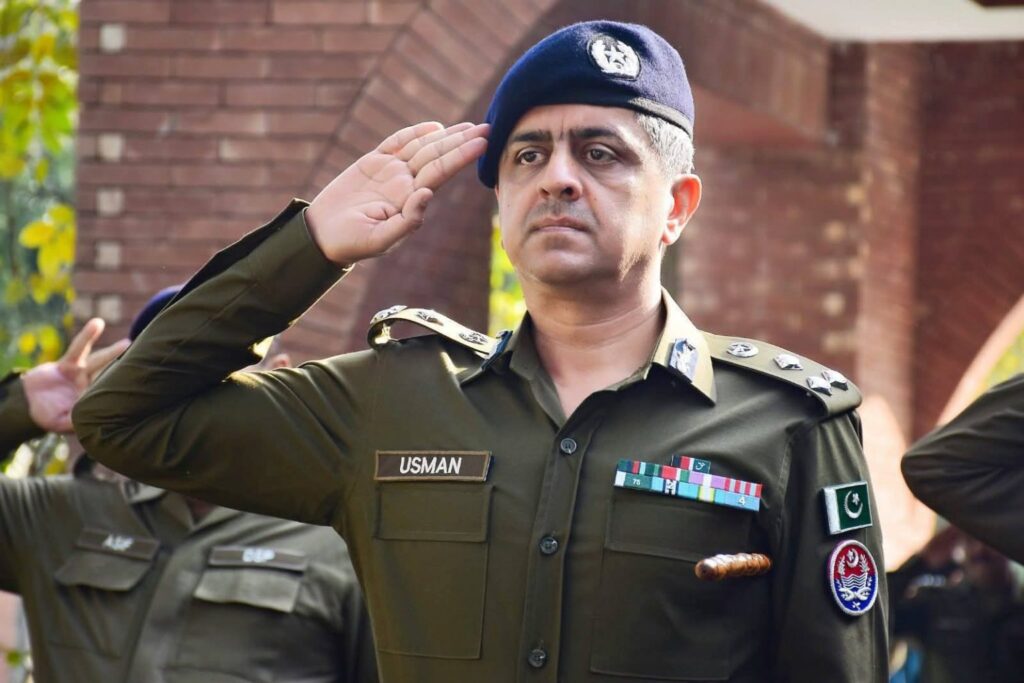
It is within this charged landscape that Usman Akram Gondal assumed office as Regional Police Officer, Multan. His arrival did not merely signify a routine bureaucratic transfer; it suggested the possibility of recalibration—an effort to realign authority with accountability in a region where the two have not always moved in tandem.
The ceremony marking his assumption of command was precise and restrained. Yet beyond the guard of honor and formal salutations lay a subtler message. Gondal’s attention to turnout, discipline, and internal review signaled an officer less preoccupied with optics than with operational depth. Within hours, branch inspections and file examinations were underway. The early emphasis was unmistakable: performance would eclipse proximity; delivery would matter more than deference.
Such gestures, though procedural on the surface, are culturally consequential. In policing hierarchies, tone flows downward. An engaged commander compels alert subordinates; an indifferent one licenses complacency. The initial tempo of a tenure often determines whether reform remains rhetorical or becomes institutional.
Gondal’s professional posture appears shaped as much by inheritance as by experience. His late father, Chaudhry Muhammad Akram Gondal, was widely regarded as a man of principle, and that moral imprint seems evident in his son’s administrative bearing. Integrity, however, cannot remain a sentimental tribute to ancestry. In Multan, it must translate into enforceable neutrality.
The family’s legal pedigree further reinforces this orientation. His brother, Chaudhry Saqib Akram Gondal—an Advocate of the Supreme Court and member of the Punjab Bar—is known for constitutional precision and courtroom rigor. Law, in this milieu, is not abstraction; it is architecture. For a police chief, such proximity to jurisprudence underscores a simple axiom: authority must remain tethered to statute.
Yet lineage offers no immunity from the realities of South Punjab. The region’s policing landscape stretches from riverine territories vulnerable to organized crime to urban centers shaped by influential intermediaries. Political pressure here is neither episodic nor subtle; it is systemic. The central question, therefore, is not whether challenges will emerge, but whether operational independence can be preserved when they do.
Ramadan adds another dimension. Administrative momentum often softens during the holy month. Gondal’s early directives, however, suggest a refusal to permit seasonal lethargy. His instructions blend firmness with public facilitation, signaling that compassion need not compromise enforcement. Dismantling procedural stagnation while safeguarding due process is a delicate calibration—yet one essential to restoring public confidence.
Ultimately, credibility in policing is cumulative. It accrues not from announcements but from consistency; not from ceremony but from consequence. Multan does not require spectacle. It requires steadiness—an unambiguous assertion that the writ of the state is not negotiable.
Command has changed hands. The symbolism is complete. What remains is the harder task: converting authority into trust. In a region accustomed to accommodation, even a measured insistence on the rule of law can feel transformative.
For now, Multan watches. And in that watchfulness lies both scrutiny and hope—the twin arbiters of command and credibility.