
Lebanese Journalist Amal Khalil Killed in Targeted Strike, Medics Blocked for Hours as She Lay Trapped Under Rubble
“We Had Amal Khalil by Her Hand’s Grip. Then Israel Murdered Her.”
BEIRUT / NEW YORK (Democracy Now!) – Israeli forces killed prominent Lebanese journalist Amal Khalil on Wednesday despite an existing ceasefire between Israel and Lebanon, marking the ninth murder of a journalist by Israel in Lebanon this year alone. Emergency workers who rushed to save her came under fire and were blocked by the Israeli military from retrieving her body for more than six hours — by which time she was dead.
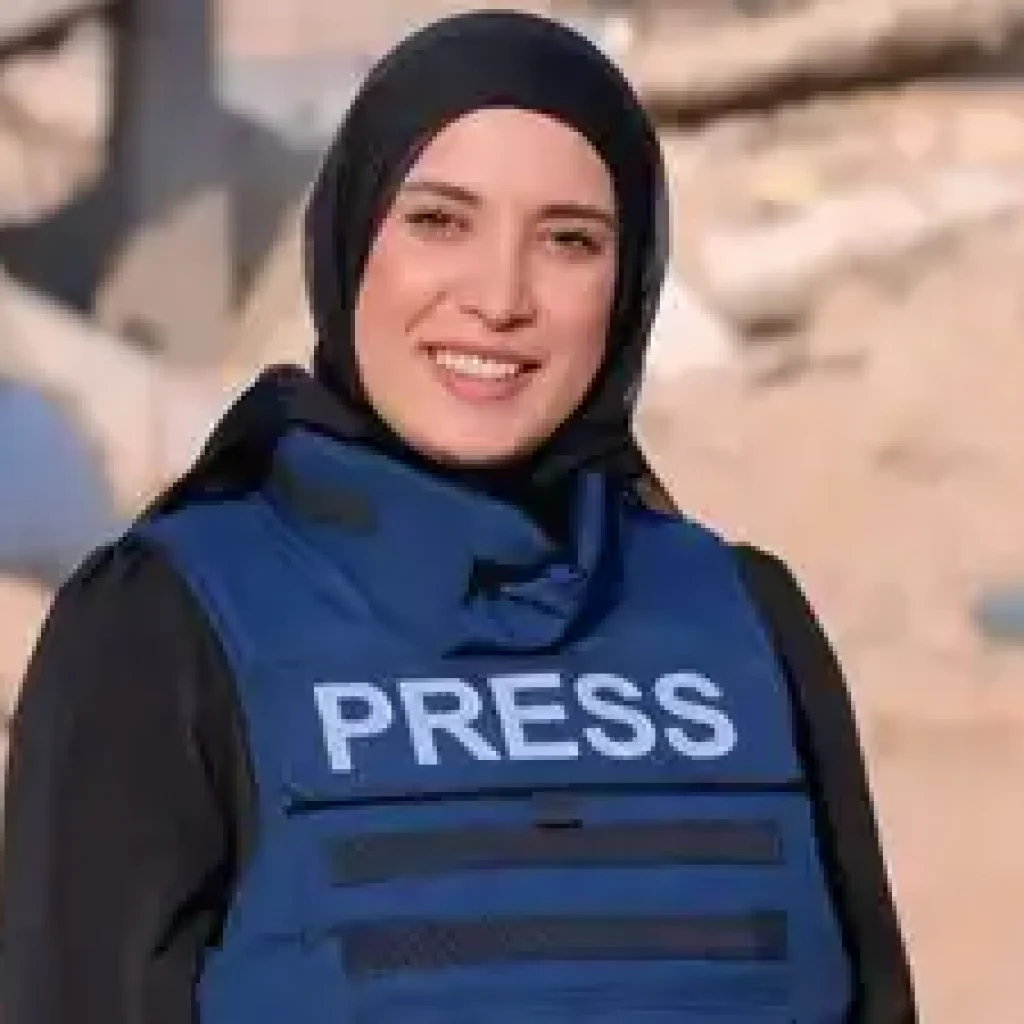
Khalil, a 43-year-old correspondent for the daily newspaper Al-Akhbar with 20 years of experience covering wars, had publicly stated in 2024 that she received a direct death threat from Israel’s Mossad spy agency warning her to leave southern Lebanon or risk decapitation.
“If this obstruction did not happen, we might have Amal alive between us today,” said Sara Qudah, Middle East and North Africa regional director at the Committee to Protect Journalists (CPJ), in an interview with Democracy Now! “This constitutes a war crime and requires an international investigation.”
What Happened: A Double-Tap Strike
According to reporting from Democracy Now! and CPJ’s investigation, the events unfolded as follows:
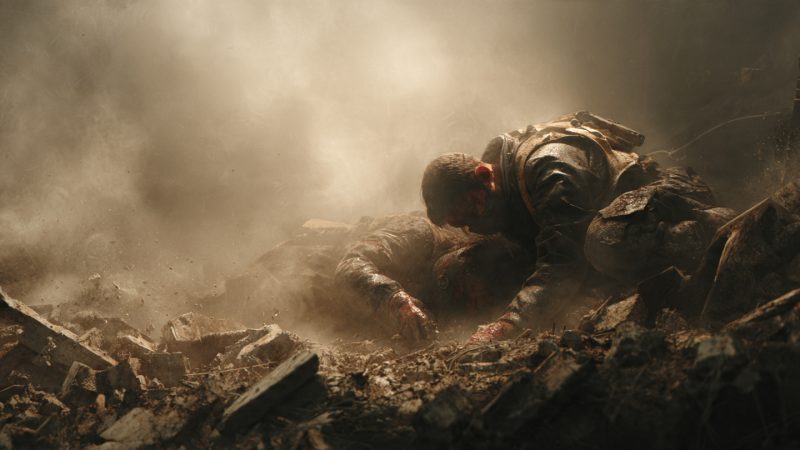
On Wednesday, Khalil and her colleague, photographer Zeinab Faraj, were reporting from southern Lebanon near Bint Jbeil. While on assignment, an Israeli drone struck a car near them, killing two civilians. Khalil and Faraj fled and took shelter in a nearby building.
Then Israel struck that same building — what military experts call a “double-tap strike,” designed to kill first responders and anyone seeking shelter after an initial blast.
Khalil managed to call her family and the Lebanese Army to report that she and Faraj were trapped under the rubble. Emergency workers from the Lebanese Red Cross and Civil Defense arrived. They successfully rescued two civilians and Zeinab Faraj — who suffered a severe head wound — but then came under fire themselves.
“Even when Zeinab Faraj was being taken to the hospital, that ambulance came under fire,” said Steve Sweeney, Lebanon bureau chief for RT (Russia Today), who survived an Israeli strike himself last month. “You can see bullet holes in the ambulance that took her to hospital.”
When rescue workers tried to return to extract Khalil — who was deeper under the rubble — they were blocked by the Israeli military for over six hours. By the time they were permitted to reach her, she had died.
“If this obstruction did not happen, we might have Amal alive between us today,” Qudah said.
A Pattern of Threats and Smears
Khalil had worked as a war correspondent since the 2006 Israel-Lebanon war. Colleagues called her “the queen of the south” for her relentless coverage of villages across southern Lebanon, amplifying the voices of ordinary civilians affected by decades of Israeli military operations.
In 2024, Khalil told local media that she received a chilling WhatsApp message from an Israeli phone number — which she attributed to Mossad — threatening to decapitate her if she did not leave the south.
“They literally said, ‘We will separate your head from your shoulders if you don’t leave from the south,’” Khalil said at the time, according to Democracy Now!’s transcript.
Her brother, Ali Khalil, spoke at her funeral on Thursday, demanding accountability.
“Amal, after all, she’s not just my sister and not just a member of our family,” he said. “Amal was a journalist… There’s no charter, no law in the world, none of them, that allows targeting a journalist.”
After her death, Israeli officials reportedly sought to smear Khalil, claiming she was affiliated with Hezbollah or was transmitting military positions — an accusation that Sweeney flatly rejected.
“Israel has a pattern in denying these claims and in also smearing journalists, saying that they are terrorists,” Qudah said. “Several journalists, including the journalists’ union in Lebanon, were aware of these threats and saw the messages. They are true, they are correct.”
Lebanon’s Government: “A Blatant War Crime”
Lebanese President Joseph Aoun accused Israel of the “deliberate and consistent targeting of journalists” in an effort to “conceal the truth of its aggressive acts against Lebanon.”
Prime Minister Nawaf Salam went further, calling the killing “a blatant war crime and a crime against humanity.”
Critics, however, noted that President Aoun had to “beg Israel to allow emergency services to enter what is essentially Lebanese sovereign territory” to rescue a Lebanese citizen, as Sweeney observed.
At Khalil’s funeral on Thursday, thousands gathered. Fellow reporter Ibrahim Dawi recounted the moment he learned of her death.
“At exactly 11 p.m., one of my friends in the Army called me. He told me, ‘Ibrahim, step aside for a bit.’ My heart skipped a beat,” Dawi said. “He said, ‘Amal is gone.’ Amal is strong. Amal is a hero. Amal knows how to hide. She has 20 years of experience in wars.”
The Broader Context: Israel’s Record on Journalist Killings
Khalil is the ninth journalist killed by Israel in Lebanon in 2026 alone. She is among more than 260 journalists killed by Israeli forces since October 2023, according to CPJ data cited in the Democracy Now! interview.
Sweeney, who survived an Israeli strike on the Qasmiyeh Bridge in March, argued that these are not accidents.
“Israel has the most advanced military technology in the world, but it also has the most advanced surveillance technology in the world. It uses artificial intelligence. It knows every single car number plate, every single vehicle. It reads our messages. It listens to our conversations,” Sweeney said.
“This is why we talk about these strikes being deliberately targeted.”
He noted that the bridge he was filming from was already destroyed, had no military value, and that he had coordinated with the Lebanese Army, who confirmed it was safe. Moments later, an Israeli missile struck near him.
“It’s a complete fallacy to say that they don’t target journalists,” Sweeney said. “Israel has killed more journalists since October 2023 than were killed in the First World War, Second World War, Vietnam War, Afghan War, and Iraq wars combined.”
International Complicity
Both Qudah and Sweeney pointed to the role of the United States and other Western nations in enabling such strikes.
“If any other country had committed these massacres of journalists, they would find themselves isolated on the world stage — subjected to sanctions, arms embargoes, trade embargoes,” Sweeney said. “But instead, the opposite is happening.”
“The most powerful nations on the planet, including the United States and Britain, continue not only to give political support but military support to enable these acts. They are equally as culpable. They load the gun while Israel pulls the trigger.”
Ceasefire Extension Announced as Strikes Continue
On Thursday — the day after Khalil’s killing — President Trump announced that the Israel-Lebanon ceasefire would be extended by three weeks. Despite that announcement, Israeli strikes in southern Lebanon have continued.
Sweeney characterized the extension as “allowing Israel to carry out more war crimes in the south,” noting the creation of a so-called “yellow zone” — 55 border towns and villages where residents are not allowed to return, homes are being detonated, hospitals destroyed, and ambulances set on fire.
“Since the Israeli escalation on March 2nd, nearly 2,500 people have been killed, and around 100 of those are emergency workers,” Sweeney said.
Call for International Investigation
The Committee to Protect Journalists has called for an immediate, independent international investigation into Khalil’s killing, as well as the obstruction of rescue efforts.
“The deliberate obstruction of medical and rescue personnel is a war crime and requires an international investigation,” Qudah said. “Otherwise, the killing of Amal will be the same as the over 260 journalists who have been killed by Israel over the past three years with full impunity.”
As of this reporting, the Israeli military has not released a detailed public explanation for why rescue workers were blocked for over six hours while Khalil lay trapped under rubble, nor why an ambulance transporting an injured journalist was fired upon.
Reporting based on Democracy Now! transcript of April 24, 2026, including interviews with Sara Qudah (CPJ) and Steve Sweeney (RT), as well as statements from Lebanese President Joseph Aoun, Prime Minister Nawaf Salam, and funeral remarks from Ibrahim Dawi and Ali Khalil. No additional sources were used.