
‘Scorched Earth’ in Lebanon: PM Accuses Israel of Collective Punishment as US–Iran Nuclear Deal Hangs by a Thread
Prospera – Geopolitical Risk Desk
Published: May 31, 2026
As Israeli ground forces push deeper into southern Lebanon, Beirut has launched a blistering accusation of “scorched earth” warfare, while Washington warns Tehran that time for a nuclear deal is rapidly expiring.
Lebanese Prime Minister Nawaf Salam told reporters today that Israel’s expanding invasion amounts to “collective punishment” against Lebanese civilians, pointing to the destruction of farmland, residential blocks, and critical infrastructure in the south. His comments came as Israeli troops advanced toward the strategic city of Nabatieh—a Hezbollah stronghold—sparking fears of a prolonged, bloody urban campaign.
“What we are witnessing is not targeted self-defense. It is a scorched-earth policy designed to make southern Lebanon uninhabitable,” Salam said. Earlier in the day, Israeli forces killed a paramedic in a village near the border, according to Lebanese health officials. Israel has not commented on the specific incident but maintains it is acting against Hezbollah rocket cells.
Hezbollah Responds, Northern Israel Under Fire
Hezbollah claimed responsibility for a series of rocket and drone attacks on northern Israeli communities, including Kiryat Shmona and Safed, wounding at least four Israeli civilians. The group said it targeted military concentrations and warned of “deeper strikes” if the assault on Nabatieh continues.
The Israeli military said its forces had destroyed multiple Hezbollah observation posts and weapons depots south of the Litani River. “We are advancing methodically to push Hezbollah away from the border,” an Israeli spokesperson said. But UN monitors on the ground report that the past 72 hours have seen the most intense shelling of civilian areas since the 2006 war.
Deal in Limbo: US Warns Iran of ‘Consequences’
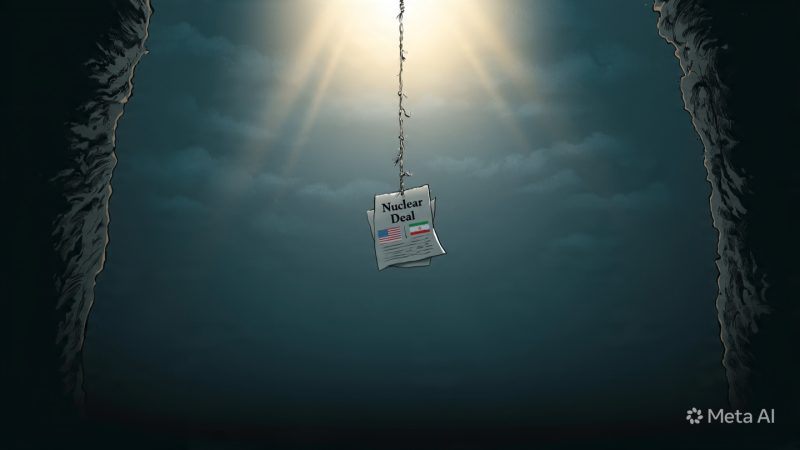
Amid the battlefield escalation, a separate diplomatic crisis looms. A senior US official, speaking on condition of anonymity, told Prospera that indirect talks with Iran in Muscat have stalled over Tehran’s demand for sanctions relief on its oil and drone sectors. The official warned: “If no agreement is reached within days, military options are not off the table.”
Iran’s mission to the UN responded by saying that “pressure and threats will only be met with resistance.” Analysts fear that a breakdown in nuclear negotiations could trigger a wider war—potentially drawing in Hezbollah as a fully engaged Iranian proxy, escalating the current border conflict into a regional conflagration.
Economic Shockwaves
For global markets, the twin crises are already being felt. Oil prices surged 4% this morning on fears of a disruption to Strait of Hormuz shipping. European natural gas futures jumped 7%. The Lebanese pound, already fragile, hit a new record low against the dollar, trading at 115,000 LBP to $1 on the parallel market.
Prospera’s security assessment notes: “The convergence of a ground invasion in Lebanon and a looming US–Iran deadline creates a high-risk window for miscalculation. Investors should hedge against energy volatility and watch Nabatieh as a potential flashpoint for wider urban warfare.”
‘Scorched Earth’ in Lebanon: PM Accuses Israel of Collective Punishment as US–Iran Nuclear Deal Hangs by a Thread
This article is based on reporting from Al Jazeera’s live blog dated May 31, 2026, and additional Prospera analysis.