
WASHINGTON, D.C. — (PROSPERA ONLINE DESK): The Pentagon has told U.S. lawmakers that clearing mines from the strategic Strait of Hormuz could take up to six months, and that any large-scale demining operation is unlikely to begin until the war with Iran formally ends, according to a classified briefing reported by The Washington Post on Wednesday.
The assessment has frustrated both Democratic and Republican legislators, who fear the prolonged disruption to one of the world’s most critical oil shipping lanes will keep global energy prices elevated for much of the year.
Lawmakers were informed that Iran may have placed 20 or more mines in and around the waterway, some of which were deployed remotely using GPS technology — a method that makes detection and neutralization significantly more difficult, the Post reported, citing officials familiar with the briefing.
While U.S. President Donald Trump has suggested that Iran removed or was in the process of removing the mines, and that most Iranian “mine droppers” had been destroyed in American strikes, Tehran has denied the allegations. Iranian media have reported that the Islamic Revolutionary Guard Corps (IRGC) has issued safe passage maps in the area, though the government has called U.S. claims “American propaganda.”
Reports of Iranian mine-laying first emerged in early March, with U.S. officials later suggesting small boats had been used for deployment after larger vessels were sunk. The Pentagon did not respond to the Post’s questions, U.S. Central Command declined to comment, and the White House referred inquiries back to the Defense Department.
Naval Blockade Becomes Flashpoint as Navy Secretary Exits
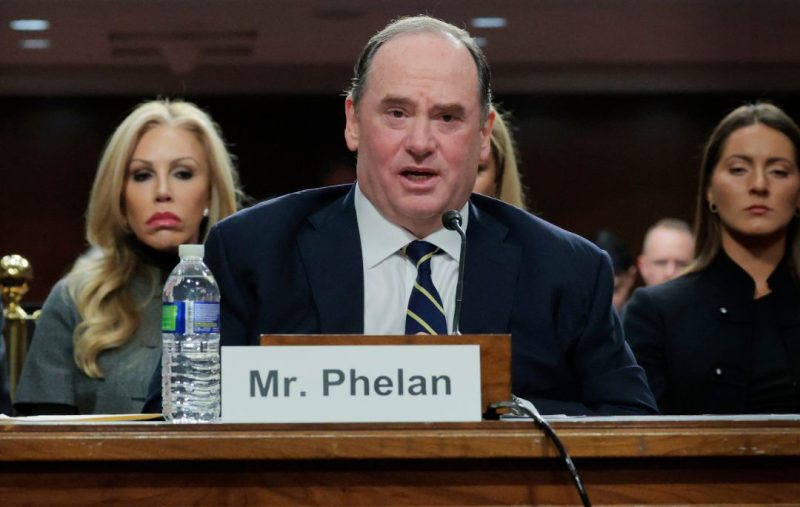
In a related development, President Trump’s nominee to lead the Navy, John C. Phelan, is departing “effective immediately,” Pentagon spokesperson Sean Parnell announced Wednesday afternoon. No reason was given for the exit of the former Trump campaign donor, which comes as Iran grows more aggressive on the waters — seizing two ships on Wednesday — and as Trump refuses to call off the U.S. naval blockade of Iranian ports.
Although a ceasefire between the United States and Iran remains in effect after Trump extended the pause in hostilities, tensions on the water are running high. Iran views the naval blockade as an act of war and has signaled it is holding up further peace negotiations. The president has said he is waiting for the Islamic republic to deliver a “unified proposal” for peace.
According to Iran’s semi-official Tasnim news agency, the IRGC seized two vessels for alleged maritime violations and escorted them to Iranian shores. The ships were the first seized since the U.S.-Israeli war on Iran began on Feb. 28.
Global Fuel Prices Remain High
As the diplomatic standoff drags on, traffic through the Strait of Hormuz remains significantly below average. The critical shipping lane off the Iranian coast, through which nearly one-fifth of global petroleum passes, has become a focal point of the conflict. Iran closed the channel after being attacked, driving up global fuel prices.
According to AAA, the average price for a gallon of regular gasoline in the United States stood at just over $4 Wednesday morning — a level not seen since the early months of the conflict. Analysts warn that a six-month delay in mine-clearing operations could push prices higher still, straining households and industries alike.
With neither Washington nor Tehran showing signs of backing down, the economic cost of the war appears poised to outlast any near-term diplomatic breakthrough.