
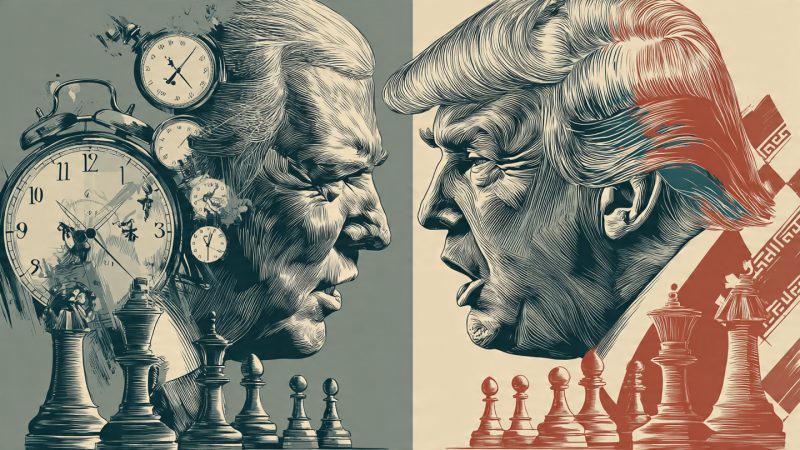
Tehran/Washington: In the high-stakes game of diplomatic brinkmanship playing out between the United States and Iran, a quiet but significant perception is taking hold inside the Islamic Republic: President Trump blinked first.
By announcing a last-minute extension of the ceasefire on Tuesday night – just hours before bombing was set to resume – the US president signaled something that Iranian leaders have been quick to seize upon. In Tehran’s reading, Trump had a choice between war and more diplomacy, and he chose diplomacy. That choice, in the eyes of Iran’s hardline strategists, is a sign of weakness.
Who Can Outlast Whom?
The core of Iran’s calculation is simple: they believe they can withstand an enduring standoff longer than President Trump can. For decades, the Islamic Republic has built its national strategy around the concept of sabr – strategic patience. From the eight-year war with Iraq in the 1980s to decades of sanctions, Iran’s leadership has consistently bet that it can outlast its adversaries.
This bet is now being placed again. Iranian officials see Trump as a leader who thrives on quick victories and decisive action, not prolonged stalemates. By extending the ceasefire rather than pulling the trigger, they believe Trump has revealed an unwillingness to follow through on his own threats.
A senior Iranian security official, speaking on condition of anonymity, recently told reporters that the Trump administration had taken a “big gamble” by seizing Iranian ships in international waters. But the extension of the ceasefire, from Tehran’s perspective, suggests the US is not prepared to raise the stakes further.
The Economic Reality for Average Iranians
However, there is a cruel irony to Iran’s strategy of endurance. While the leadership may believe it can outlast the United States, it is ordinary Iranians who bear the cost of this prolonged standoff.
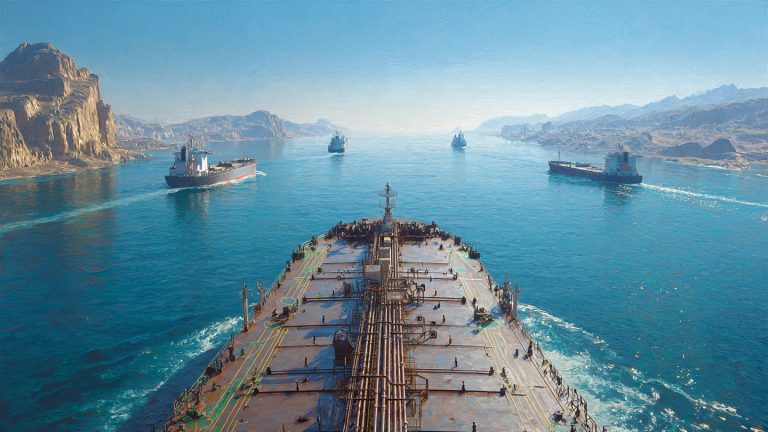
The US naval blockade in the Strait of Hormuz has already disrupted shipping and raised the cost of imports. Inflation in Iran has been climbing steadily. Basic goods – from wheat to medicine to cooking oil – are becoming more expensive and harder to find. The rial, Iran’s currency, continues to slide against the dollar on unofficial markets.
For the average Iranian family, the calculation is not about geopolitical brinkmanship. It is about whether they can afford bread, heating fuel, and life-saving medication. And by that measure, every day the standoff continues is a day of deepening hardship.
A Dangerous Miscalculation?
Some analysts warn that Iran’s leadership may be overplaying its hand. The belief that Trump blinked first could lead Tehran to make additional demands or reject compromise when it finally comes to the negotiating table. But if the US is genuinely prepared to lift the blockade in exchange for a unified Iranian proposal, and Iran refuses out of a misplaced sense of strength, the opportunity for peace could slip away.
Moreover, while Iran’s leaders may be willing to endure years of sanctions and isolation, the Iranian people have shown in the past that economic desperation can boil over into widespread protest. The regime has survived such moments before, but each time at a cost to its legitimacy and internal cohesion.
What Comes Next?
For now, the clock is ticking. The ceasefire has been extended, but not indefinitely. President Trump has made it clear that his patience has limits. Iranian leaders, confident in their ability to outlast him, are holding out for a better deal – or for the blockade to be lifted without concessions.
The danger is that both sides believe time is on their side. In such a scenario, the standoff drags on, the blockade continues, Iranian civilians suffer, and the window for a diplomatic resolution slowly closes.
Pakistan, which has positioned itself as a mediator, continues to push for the second round of Islamabad Talks. Prime Minister Shehbaz Sharif of Pakistan and Field Marshal Syed Asim Munir have urged both sides to give diplomacy a full chance. But whether Tehran’s confidence in its own endurance will allow for compromise remains the central question.
If Iran miscalculates, the result may not be a US blink – but a war that neither side actually wants.