
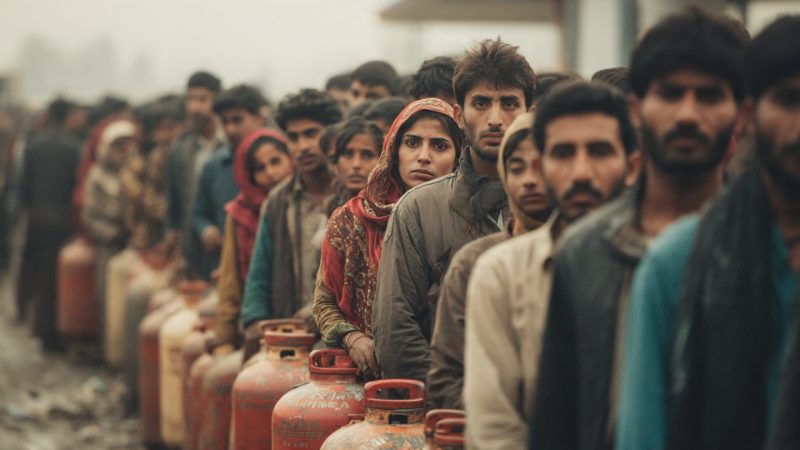
As wealthy nations scramble to secure emergency stocks of oil and natural gas, global energy prices are being pushed higher for everyone – and the poorest countries are facing the most severe shortages.
What started as a prudent response to geopolitical uncertainty has, according to energy economists, morphed into a self-reinforcing cycle of panic buying and price spikes. Nations with deep pockets are filling their strategic reserves to record levels, while developing countries find themselves priced out of the market entirely.
The Hoarding Cycle
The dynamics are straightforward but devastating. When a major economy announces it is doubling its strategic petroleum reserves, traders anticipate tighter supply. Prices rise. Other nations, fearing future scarcity, rush to secure their own supplies. Prices rise further. And so the cycle continues.
Since the escalation of tensions in the Middle East – particularly the US-Iran standoff and recent seizures of cargo ships in the Strait of Hormuz – spot prices for crude oil have climbed steadily. But market analysts point out that geopolitical risk alone does not explain the magnitude of the increases.
“Hoarding by wealthy importers has added a significant premium to current prices,” one energy market analyst told Prospera. “Countries that can afford to pay over the odds are doing so, and that drives up the benchmark for everyone else.”
Who Pays the Price?
The consequences are not evenly distributed. Wealthy nations in Europe, North America, and East Asia can absorb higher prices through subsidies, price caps, or simply by passing costs to consumers who have the means to pay. Vulnerable countries have no such buffers.
Across South Asia and sub-Saharan Africa, fuel import bills are ballooning. Several developing nations have already reported difficulties securing spot cargoes because suppliers prefer to deal with buyers offering premium prices and reliable payment terms.
Pakistan, which relies heavily on imported energy, has felt the ripple effects. Higher global oil prices directly impact the country’s import bill, putting pressure on foreign reserves and ultimately affecting the prices of everything from transport fuel to electricity generation.
Strategic Reserves vs. Global Solidarity
The practice of building strategic reserves is not new. The International Energy Agency (IEA) requires member countries to hold oil stocks equivalent to at least 90 days of net imports. But some nations have gone far beyond this requirement in recent months, stockpiling as a hedge against potential supply disruptions from the Gulf region.
Critics argue that this behavior, while rational for individual countries, is collectively harmful. When every wealthy nation tries to hoard at the same time, the result is a tighter global market, higher prices, and increased volatility – exactly the opposite of stability.
A Way Forward?
Energy economists suggest several measures that could ease the pressure:
- Coordinated releases from strategic reserves, similar to the action taken by IEA members in 2022, could immediately increase available supply and cool prices.
- Transparency about reserve levels and purchasing plans could reduce the uncertainty that drives panic buying.
- Targeted support for vulnerable countries, including deferred payment arrangements or discounted supply from major producers, could prevent the most severe shortages.
Whether such measures will be implemented remains uncertain. In an atmosphere of distrust and competition, calls for solidarity often go unheeded. But without coordinated action, the cycle of hoarding and price spikes is likely to continue – and the world’s poorest will continue to pay the heaviest price.