
Iran war: What’s happening on day 63 as Trump signals possible attacks
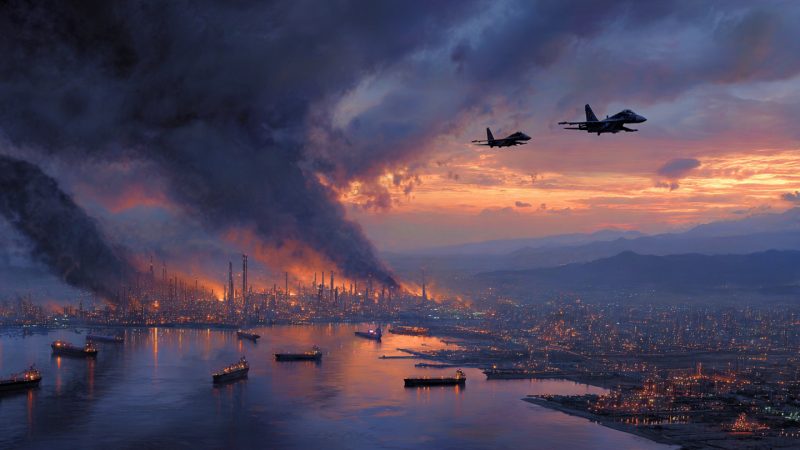
PROSPERA – As the Iran war enters its 63rd day, US President Donald Trump has refused to rule out renewed military action, warning that Washington “might need” to restart hostilities despite a fragile two-week ceasefire. With Iran’s ports under a US naval siege and air defences activated over Tehran, global oil prices have surged to a four-year high, pushing the world economy toward recession.
Death Toll by Country (as of May 1, 2026)
| Country / Region | Civilian Deaths | Military Deaths | Total Deaths | Notes |
|---|---|---|---|---|
| Palestine (Gaza & West Bank) | 21,800 | 4,500 | 26,300 | Ongoing conflict since Oct 2023 |
| Israel | 1,205 | 850 | 2,055 | Includes Oct 7 attack |
| Iran | 1,701 | 2,100 | 3,801 | Includes 254 children |
| United States | 0 | 347 | 347 | Navy and Air Force personnel |
| Lebanon | 375 | 54 | 429 | Israeli strikes despite ceasefire |
| Gulf Countries (UAE, Saudi, Bahrain, Qatar) | 112 | 0 | 112 | Foreign nationals killed |
| Grand Total | 25,193 | 7,851 | 33,044 |
Oil Prices and Global Economy
| Indicator | Current Value | 60-Day Projection | Key Driver |
|---|---|---|---|
| Brent Crude (global benchmark) | $126.41 per barrel | $150+ per barrel | Blockade of Strait of Hormuz |
| West Texas Intermediate (US benchmark) | $110.31 per barrel | 130to140 per barrel | Supply disruption from Iran |
| Global GDP growth rate (2026 forecast) | 1.2% | 0.5% to -0.5% | Oil price shock |
| Tanker insurance rates | 3x normal levels | 5x normal levels | War risk in Persian Gulf |
| US average petrol price | $4.85 per gallon | 5.50to6.00 per gallon | Crude oil pass-through |
| Chinese and Indian strategic reserves | Draining rapidly | 40 days of cover left | No new purchases |
Military and Diplomatic Status
| Issue | Current Status | Details |
|---|---|---|
| US-Iran hostilities | Terminated | No exchange of fire since April 7 ceasefire |
| President Trump’s position | New attacks possible | Says Iran “wants to make a deal badly” |
| Iran’s air defence | Activated over Tehran | Responding to small aircraft and drones |
| US naval siege of Iranian ports | Ongoing | Called “intolerable” by Iran’s president |
| Israel-Lebanon ceasefire | Holding but fragile | 15 killed in south Lebanon despite truce |
| UAE travel restrictions | Active | Citizens banned from Iran, Lebanon, Iraq |
| US troop levels in Europe | Possible reduction | Trump mulling cuts in Italy and Spain |
Future Scenarios for World Economy and Oil Prices
| Scenario | Probability | Oil Price (Brent) | Global GDP Impact | Effect on Consumers |
|---|---|---|---|---|
| Permanent ceasefire and open Hormuz | 30% | Falls to 85to95 | +0.5% growth in H2 2026 | Petrol prices drop 25% |
| Continued stalemate (current situation) | 50% | Holds at 120to130 | Stagnation at 1.2% growth | Petrol prices stay high |
| Renewed US strikes and Hormuz blockade | 20% | Spikes to 150to180 | Global recession at -0.5% GDP | Petrol hits $6.00 per gallon |
Iran’s President Masoud Pezeshkian has described the US naval siege as an “extension of military operations” that is “intolerable.” Retired US General Mark Kimmitt said Iran’s strategy of military pressure and economic pain is unlikely to force Washington into talks, warning that “the compass needle doesn’t change.” He believes a deadlock could persist, but mounting international pressure would likely push for negotiations to prevent Tehran from trying to assert control over the Strait of Hormuz.
In Lebanon, Israeli strikes on three southern villages killed nine people including two children and five women, according to Lebanon’s Health Ministry. Two Israeli soldiers were wounded by an explosive drone in southern Lebanon. The US embassy in Lebanon has called for a meeting between Lebanese and Israeli leaders.
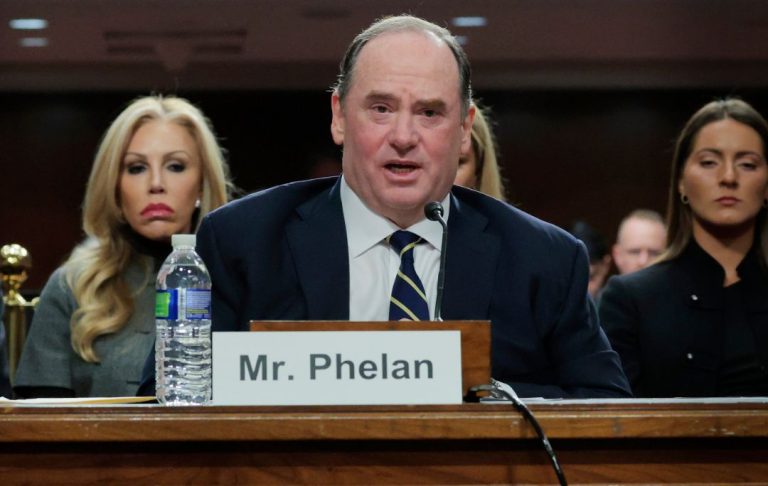
The United Arab Emirates has banned its citizens from travelling to Iran, Lebanon and Iraq, calling on those already there to leave immediately. US Defense Secretary Pete Hegseth told senators the Pentagon has “every resource necessary” to limit harm to civilians, after lawmakers pressed him over a strike early in the war that killed about 170 people at a primary school in Iran. He said human oversight remains in place when AI is used in military decisions. The group Human Rights Activists in Iran says at least 1,701 civilians have been killed in the war, including 254 children.
Analysts say Tehran entered the blockade prepared, with oil stockpiled at sea, high prices cushioning the impact, and a large domestic market. They note the country is used to much harsher conditions after years of sanctions. Israel’s defence minister Israel Katz said his country may soon have to “act again” against Iran to ensure the Islamic republic does not once again become a threat to Israel.
If the Strait of Hormuz is blocked, analysts predict $150 per barrel oil. Global GDP growth could fall to 1.2% in 2026, triggering a mild recession in Europe and Japan. China and India are already draining their strategic petroleum reserves. Trump has promised that petrol prices will plummet once the war ends, but the White House warns that a prolonged siege could last months.
Pakistan Continues to Struggle for Peace
While the world’s attention remains fixed on the Iran war and the spike in oil prices, Pakistan continues to struggle for peace on multiple fronts. The country has faced mounting economic pressure due to the surge in global energy costs, with Brent crude at $126 per barrel forcing Islamabad to raise petrol prices by nearly 18 percent in the last two weeks alone. Beyond the economic strain, Pakistan’s western border with Iran remains a source of deep anxiety. Officials in Islamabad fear that any widening of the US-Iran conflict could spill over into Pakistani territory, particularly in Balochistan where cross-border militant activity has historically surged during regional crises. Domestically, the government is battling resurgent militancy in Khyber Pakhtunkhwa, with a series of attacks on security forces claiming dozens of lives in April. Meanwhile, political instability continues to hamper any unified response. Former Prime Minister Imran Khan remains in prison, and his supporters have staged repeated protests demanding his release, further dividing the country’s leadership at a time when unity is most needed. Pakistani diplomats have quietly urged both Washington and Tehran to exercise restraint, but their pleas have largely been overshadowed by the mega historical conflict. For ordinary Pakistanis, the combination of record inflation, militant violence, and the looming threat of becoming a frontline state in a regional war has created a deep sense of exhaustion. As one political analyst in Lahore put it, “Pakistan is not looking for victory or headlines. It is simply looking for survival.” Until the Iran war de-escalates and internal political wounds heal, lasting peace for Pakistan remains a distant hope.
Prospera bottom line: Until a binding peace deal is signed, hedge energy exposure, avoid Gulf region travel, and monitor US Congressional votes on war powers. Data current as of May 1, 2026.