

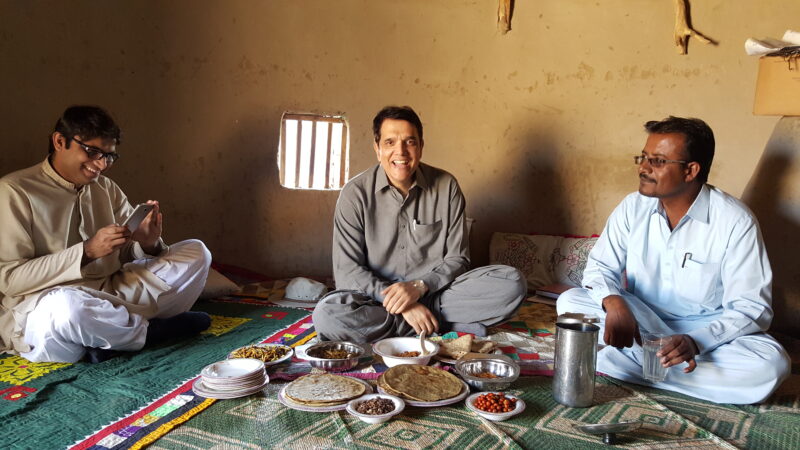
By Rashid Mahmood
Chief Editor, Prospera Monthly Mag
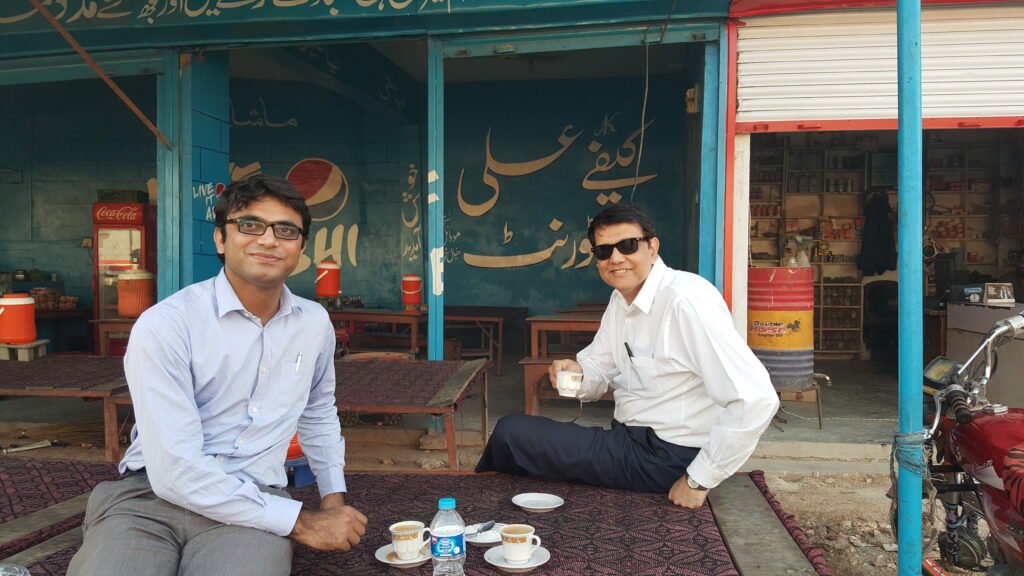
ISLAMABAD – The first time I met Dr. Roomi S. Hayat, he was sipping tea at a small roadside dhaba, surrounded by men in dusty shawls who called him sahib but teased him like a cousin. That’s when I realised this Harvard-trained engineer-turned-anthropologist is not your typical development expert.
Dr. Hayat holds a doctorate in Anthropology from Quaid-e-Azam University and an executive management certificate from Harvard Business School. But ask him for his real qualification, and he laughs. “Mechanical engineering,” he says. “From New Jersey Institute of Technology. I fix people now, not machines.”
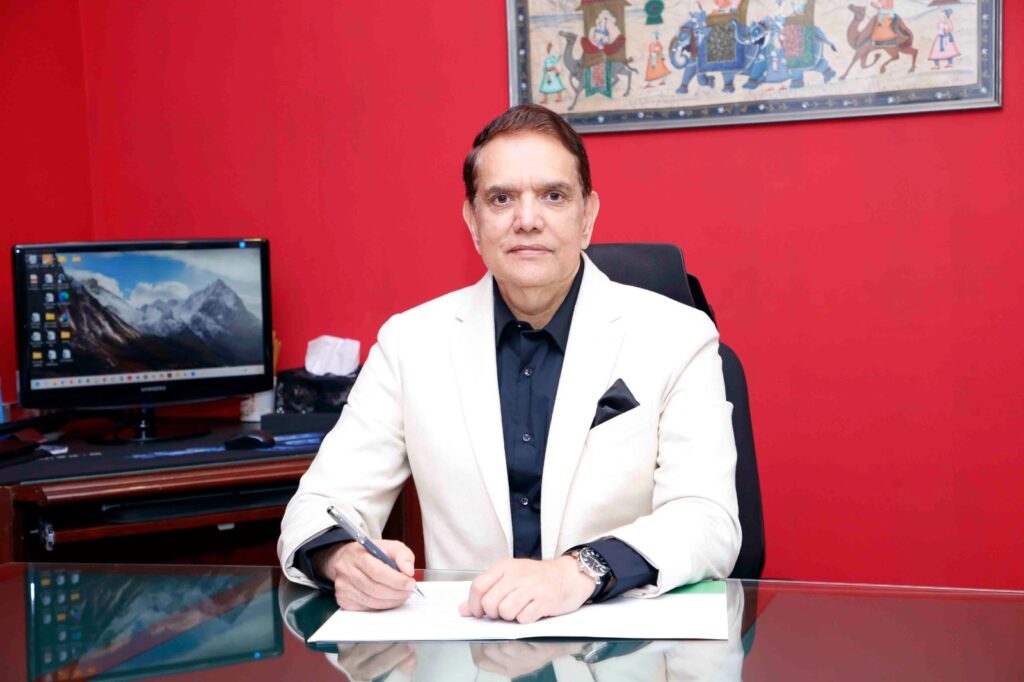
And fix people he has. As CEO of the Institute of Rural Management (IRM) since 2010, he leads Pakistan’s largest training and research service provider—over 100 regional offices across the country. I watched him brief a team on a World Bank project in one breath and quote a Thari folk poem in the next.
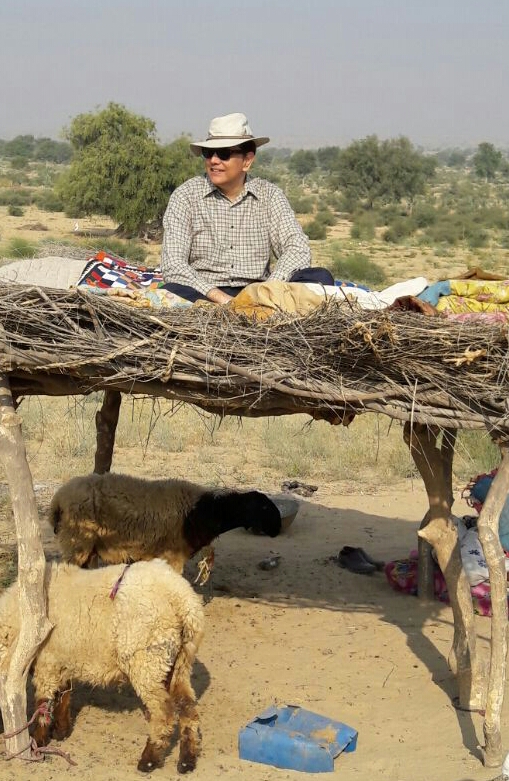
His career reads like a masterclass in rural development. For 18 years at the National Rural Support Programme (NRSP), he designed poverty-alleviation programs that reached the poorest of the poor. Later, he advised the UN, ILO, USAID, and the Government of Maldives. He trained 200 working women in leadership for the ILO. He developed a $140 million UN refugee rehabilitation proposal. But what moved me most was his 2024 book: Transforming Landscape Tharparkar – An Ethnography of the Lives of Amazing Desert People.
“That book is my love letter to a place the world calls ‘backward’,” he told me, as the sun set over the dunes. “Tharparkar is not a problem to be solved. It’s a civilization to be learned from.”
He is equally passionate about youth employment, migration, and climate action. As Chairperson of the Climate Action Forum (CAF) and a member of IUCN’s Pakistan National Committee, he argues that rural development cannot be separated from environmental justice. “You can’t teach farming to a farmer who no longer trusts the rain,” he said.
I asked him why he never stayed in the US after his engineering degree. He paused. “Because Pakistan’s villages taught me more about dignity than any classroom ever could. I owed them something.”
That debt, it seems, is being repaid with interest.
From the boardrooms of Harvard to the parched lands of Tharparkar, Dr. Roomi S. Hayat has built a bridge between worlds that rarely meet. And as I packed my notebook that evening in Mithi, I realized: the most important development models don’t come from Geneva or Washington. They come from someone who still drinks tea with the community he serves.