
Oil Prices Surge Past $100 a Barrel
WASHINGTON/ISLAMABAD, Apr 13 (Prospera) – The United States military has announced it will begin a comprehensive naval blockade of all Iranian ports on Monday, following the failure of high-stakes negotiations between the warring sides in Islamabad, Prospera has confirmed. The development dashes global hopes for a diplomatic end to a conflict that has killed thousands and thrown the world economy into turmoil since hostilities erupted in late February.
Background and Context
The current crisis traces its origins to coordinated Israeli-US strikes on Iranian nuclear and military facilities in late February, which Iran swiftly retaliated against by targeting Gulf cities and Israeli population centers. What began as limited exchanges rapidly escalated into a full-scale regional war, drawing in proxy forces across Lebanon, Syria, Yemen, and Iraq. The strategic Strait of Hormuz—through which approximately 20% of global oil passes—became an immediate flashpoint, with Tehran restricting traffic while allowing select vessels from friendly nations such as China to pass. Pakistan, leveraging its historical ties with both Washington and Tehran, emerged as a reluctant but critical mediator, securing a fragile two-week ceasefire last week that experts now warn could be shattered by any maritime military action.
Collapse of Islamabad Talks
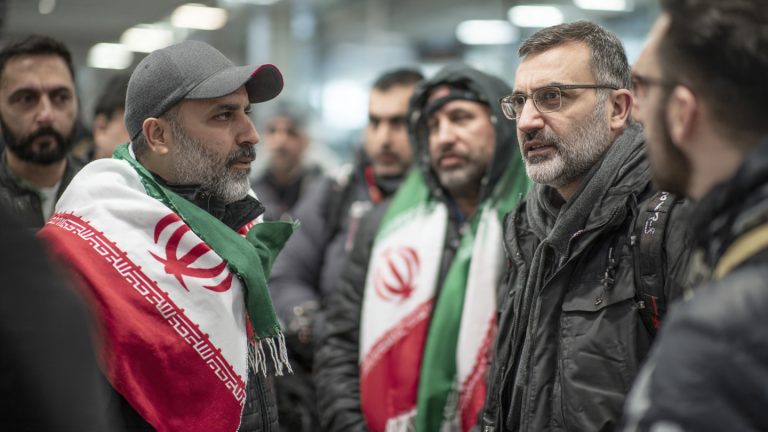
The highest-level direct talks between the United States and Iran since the 1979 Islamic Revolution concluded Sunday in Islamabad without an agreement. The US delegation, led by Vice President JD Vance, special envoy Steve Witkoff, and presidential son-in-law Jared Kushner, reportedly grew frustrated over Tehran’s refusal to abandon what it calls its sovereign right to a nuclear program.
Speaking to reporters in Islamabad after the Iranian delegation flew out, Vance described Washington’s proposal as “our final and best offer,” adding pointedly, “We’ll see if the Iranians accept it.” President Donald Trump later amplified the message on his Truth Social platform, declaring, “I have always said, right from the beginning, and many years ago, IRAN WILL NEVER HAVE A NUCLEAR WEAPON!”
Iranian Foreign Minister Abbas Araghchi, however, blamed the collapse on “maximalism, shifting goalposts, and (a) blockade” imposed by Washington, claiming the two sides had been “just inches away” from a deal. Parliament speaker Mohammad Bagher Ghalibaf, who led Tehran’s delegation, asserted that Iran would “not bow to any threats” from the United States.
US Military Announcement
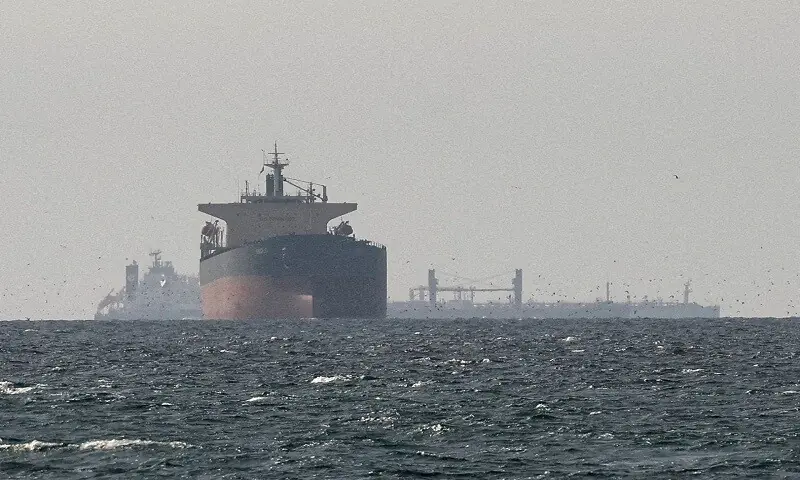
In a formal statement, US Central Command declared that the blockade would begin at 1400 GMT on Monday and be enforced “impartially against vessels of all nations entering or departing Iranian ports and coastal areas, including all Iranian ports on the Arabian Gulf and Gulf of Oman.” US forces would not impede vessels transiting the Strait of Hormuz to and from non-Iranian ports, the statement clarified.
President Trump, in a lengthy social media post, framed the operation as a mine-clearing mission to reopen the strait to all shipping, asserting that Iran must not be allowed to profit from controlling the waterway. “Effective immediately, the United States Navy, the Finest in the World, will begin the process of BLOCKADING any and all Ships trying to enter, or leave, the Strait of Hormuz,” Trump wrote. “Any Iranian who fires at us, or at peaceful vessels, will be BLOWN TO HELL!”
The announcement followed a Saturday operation in which two US Navy warships reportedly transited the strait to begin clearing mines—a claim Tehran swiftly denied.
Iranian Response and Military Posture
Iran’s Revolutionary Guards had warned prior to the US announcement that they maintained full control of traffic through Hormuz and would trap any challenger “in a deadly vortex.” Navy chief Shahram Irani dismissed Trump’s blockade threat as “ridiculous,” while Supreme Leader Ayatollah Ali Khamenei’s office issued a statement vowing that any aggression would be met with “overwhelming and historic retaliation.”
Nicole Grajewski, an assistant professor at Sciences Po’s Center for International Research, told Prospera that a US blockade was “not a minor coercive signal” but could rather be considered an effective resumption of the war. “Blockades are acts of war under international law,” she noted. “This moves the conflict from tit-for-tat strikes to a sustained military campaign against Iran’s economy and sovereignty.”
Economic Shockwaves
Oil prices, which had tumbled last week following the announcement of the temporary ceasefire, jumped approximately eight percent on Monday, with both key WTI and Brent contracts topping $100 a barrel. Global shipping insurers immediately announced premium hikes for vessels operating in Gulf waters, and several major shipping lines suspended routes to the region pending further clarity.
Pakistan’s Mediation Efforts
Pakistan, which has positioned itself as an indispensable intermediary, said it would continue facilitating dialogue despite the breakdown. A statement from the Foreign Office in Islamabad called on both sides to honor the fragile two-week ceasefire, warning that any maritime military blockade could put the truce at risk. “Pakistan remains committed to peace and urges maximum restraint,” the statement read.
Prime Minister Shehbaz Sharif, who had personally shuttled between delegations during the talks, expressed disappointment but vowed to keep communication channels open.
Wider Regional Escalation: Lebanon
Even before the Islamabad talks collapsed, concern had been high over whether the ceasefire could hold, given continued Israeli strikes against Hezbollah targets in Lebanon. Israeli Prime Minister Benjamin Netanyahu told troops stationed in south Lebanon that the fight there was “far from over,” even as Lebanese Prime Minister Nawaf Salam said he was working to ensure Israeli withdrawal.
Hezbollah announced overnight that it had launched rockets toward towns in northern Israel, continuing attacks it began in early March to avenge the death of Iran’s supreme leader—killed in the opening salvo of Israeli-US strikes that began the regional war. Israeli strikes on Beirut and other parts of Lebanon following the temporary ceasefire announcement had killed hundreds, according to Lebanon’s health authorities.
Lebanese and Israeli officials are due to hold separate talks in Washington on Tuesday, though prospects for progress appear dim amid the broader escalation.
Prospera’s Assessment
With the US blockade set to begin within hours and Iran vowing resistance, the window for renewed diplomacy appears narrow. Pakistan’s role as mediator remains intact but increasingly precarious. Global markets are bracing for sustained volatility, and regional powers—including Saudi Arabia, Turkey, and the United Arab Emirates—have issued urgent calls for de-escalation. Prospera will continue to monitor developments across the Gulf, Lebanon, and diplomatic capitals as the conflict enters what many fear will be its most dangerous phase yet.