
As the US-Israel war on Iran reaches 60 days, Al Jazeera breaks down the human, financial, and domestic toll of decades of American-led conflicts – including soaring gas prices, strained veterans’ care, and record unpopularity.
NEW YORK/DOHA – April 28, 2026 – By Yasir Javed
Sixty days into the US-Israel war on Iran, the Trump administration has spent an estimated $12.7 billion on munitions alone during the first six days of combat, with daily costs now running in the hundreds of millions. But the true price of this latest conflict – and of 76 years of US-led wars – extends far beyond Pentagon ledgers.
Al Jazeera has compiled data from the Costs of War Project at Brown University, Pentagon statements, and firsthand accounts from veterans and civilians to present a comprehensive picture of what war costs: lives, treasure, public health, and national patience.
Human Cost: From Korea to Iran
The human toll of US-led wars since the 1950s is staggering.
According to the Costs of War Project, US-led wars since the September 11, 2001 attacks have directly caused the deaths of approximately 940,000 people across Afghanistan, Pakistan, Iraq, Syria, Yemen, and other post-9/11 conflict zones. That figure includes both combatants and civilians.
The current US-Israel war on Iran, which began on February 28, 2026, has killed at least 3,375 people according to Iran’s Ministry of Health. The US military has confirmed 13 combat-related deaths among its service members in the region, with more than 200 wounded.
For context, the graphic below (see accompanying print graphic) compares estimated civilian deaths per US soldier lost in major conflicts:
- Korean War (1950-1953): Estimated 2.5 civilian deaths per US soldier
- Vietnam War (1955-1975): Estimated 3.7 civilian deaths per US soldier
- Afghanistan War (2001-2021): Estimated 5.2 civilian deaths per US soldier
- Iraq War (2003-2011): Estimated 7.9 civilian deaths per US soldier
Note: Civilian casualty estimates vary by source and methodology.
A Veteran’s View: “War Is Not Clean”
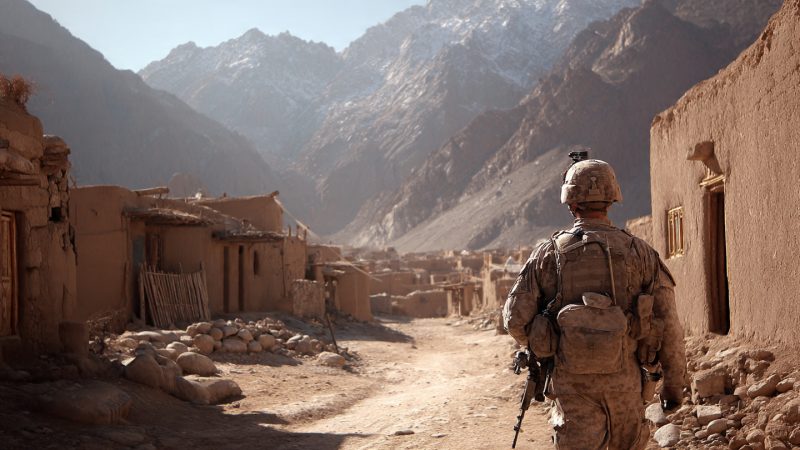
Jeffery Camp, 61, of Sarasota, Florida, served with the US Army from 1983 to 2009, including a deployment to Maidan Shar, Afghanistan, in 2008-2009. He remembers the fine “moon dust” that got into everything – vehicles, equipment, lungs.
“Service was a calling, not a reaction to a national crisis,” Camp told Al Jazeera. “I left both Iraq and Afghanistan with a profound respect for the human cost of war, not just for American service members but for the populations of those countries. War is not clean, and the people who bear the longest burden are rarely the ones who made the decisions.”
Camp is one of 832,000 US service members deployed to Afghanistan during America’s longest war. During 20 years there, 2,461 US soldiers were killed and at least 20,000 wounded.
Financial Cost: The Iran War’s Price Tag
According to the Pentagon, the Trump administration spent $11.3 billion during the first six days of the war on munitions alone. Mark Cancian, a senior adviser with the Defense and Security Department at the Center for Strategic and International Studies (CSIS), told Al Jazeera that figure is “a little high” as a daily average, but accurate for the initial surge.
“The war was very expensive in the first few days because the US used costly long-range munitions, including Tomahawk missiles,” Cancian said. Each Tomahawk costs $2.5 million, and the US used hundreds of them.
Cancian’s breakdown for the first six days:
- Munitions: $11.3 billion
- Combat losses & infrastructure damage: $1.4 billion
- Support costs: $26.5 million
- Total first six days: $12.7 billion
After the first week, Cancian estimates the US spent “about half a billion dollars a day.” During the current ceasefire (since April 8), that figure has dropped to “under $100 million per day” due to no active munitions use.
For comparison, the 20-year Afghanistan war cost an estimated 2.3trillion∗∗–averagingmorethan∗∗2.3trillion∗∗–averagingmorethan∗∗300 million per day. The eight-year Iraq war cost an estimated 2trillion∗∗–averagingabout∗∗2trillion∗∗–averagingabout∗∗684 million per day. On a per-day basis, the Iran war is among the most expensive in recent US history.
Veterans’ Care: A $2.2 Trillion Obligation
Naveed Shah, political director of Common Defense, a grassroots veteran-led organization in Washington, DC, served in Iraq from 2006 to 2010. He believes the US must defend its national interests but cautions against “open-ended wars of choice.”
“The current conflict with Iran is repeating the mistakes that led us to spending 20 years in Iraq and Afghanistan: shaky evidence at best, moving goalposts and dangerous rhetoric that risks drawing us into another prolonged war,” Shah told Al Jazeera.
“At the same time, while we’re deploying troops overseas, the government is trying to claw back the care we promised for our veterans. The true cost of war extends far beyond the battlefield. It echoes for decades in veterans’ bodies and minds and for their families.”
According to the Costs of War Project, the US is expected to spend at least $2.2 trillion on obligations for veterans’ healthcare over the next 30 years.
Record Unpopularity: 60% of Americans Disapprove
A Reuters/Ipsos poll conducted on April 12 – four days after the ceasefire began – found that 60% of Americans disapprove of US military strikes on Iran. This is a sharp rise from a 43% disapproval rating at the start of the war.
Historically, US wars have enjoyed a “rally around the flag” effect, with low disapproval at the outset. The chart below (see accompanying print graphic) compares disapproval ratings at the start and end of five major US-led wars since the 1950s:
| War | Start Disapproval | End Disapproval |
|---|---|---|
| Korean War (1950-53) | ~15% | ~35% |
| Vietnam War (1955-75) | ~20% | ~60% |
| Afghanistan (2001-21) | ~10% | ~55% |
| Iraq (2003-11) | ~15% | ~50% |
| Iran (2026 – ongoing) | 43% (start) | 60% (60 days in) |
The Iran war is now the most unpopular US war in modern history at this early stage.
Domestic Economic Pain: $200 Per Household at the Pump
Marwa Jadoon (name changed), 40, of Oklahoma, told Al Jazeera her out-of-pocket expenses have increased by more than 35% over the past two months. She has multiple expensive health conditions and has cut costs on groceries and non-essentials.
“I find it appalling that my tax dollars are funding a war when we have repeatedly been told that we cannot afford universal healthcare,” Jadoon said. After losing her job late last year, she applied for unemployment and state-covered healthcare (Soonercare). Unemployment benefits would not even cover her rent.
“How can my tax dollars afford to pay for wars and foreign governments while I can’t even receive Medicaid because they deemed 400istoomuchamonth?”sheasked.“Iwouldlovetoseeanyoneinthecurrentadministrationsurviveon400 a week with no medical coverage.”
Another Oklahoma woman, who requested anonymity due to her state government job, said, “The war in Iran and its funding has made me feel cornered. I feel it at the gas pump, I feel it at the doctor, dentist. I feel it at the bank. I feel it when I’m at the grocery store. I’ve been stolen from and lied to, and I’ve had enough.”
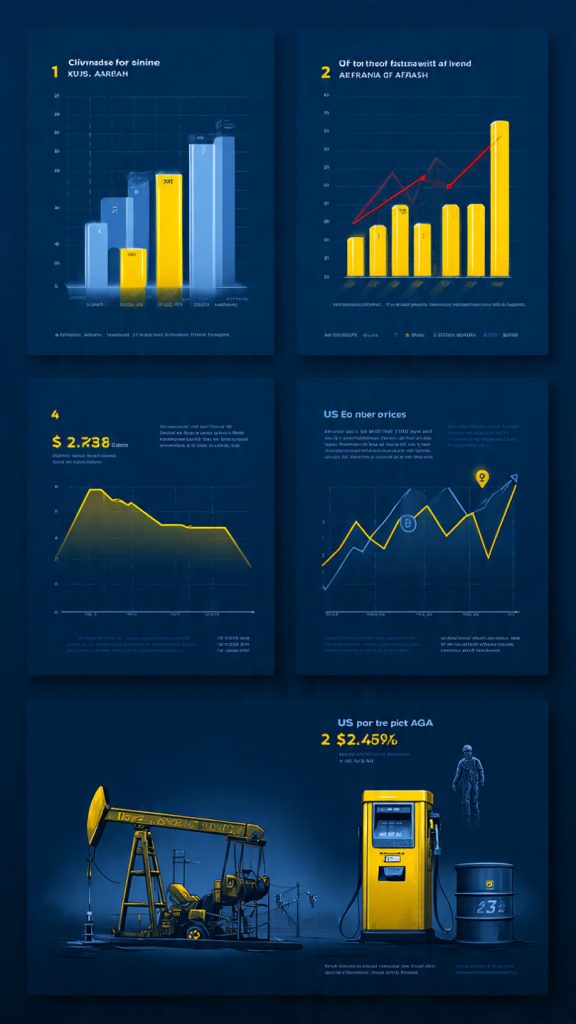
According to the Climate Solutions Lab at Brown University’s Watson Institute, the total consumer burden from increased petrol and diesel prices across the US as a result of the war on Iran is estimated at 27.8billion∗∗–roughly∗∗27.8billion∗∗–roughly∗∗200 per household.
The national average price of petrol has increased nearly 40% , from 2.90pergallon(2.90pergallon(0.76 per litre) before the war to 4.10pergallon(4.10pergallon(1.08 per litre) now.
Conclusion: A Cycle of Costs
As the ceasefire holds – at least for now – Americans and Iranians alike continue to bear the costs of war. Veterans like Jeffery Camp return home with memories of “moon dust” and lost comrades. Civilians like Marwa Jadoon choose between medication and groceries. And the national debt continues to mount, with a $2.2 trillion bill for veterans’ care looming over the next three decades.
“The true cost of war extends far beyond the battlefield,” said Naveed Shah. “It echoes for decades.”
“I left both Iraq and Afghanistan with a profound respect for the human cost of war, not just for American service members but for the populations of those countries. War is not clean.”
— Jeffery Camp, US Army veteran