
US President cites Pakistani field marshal’s role, rejects 20-year uranium enrichment suspension
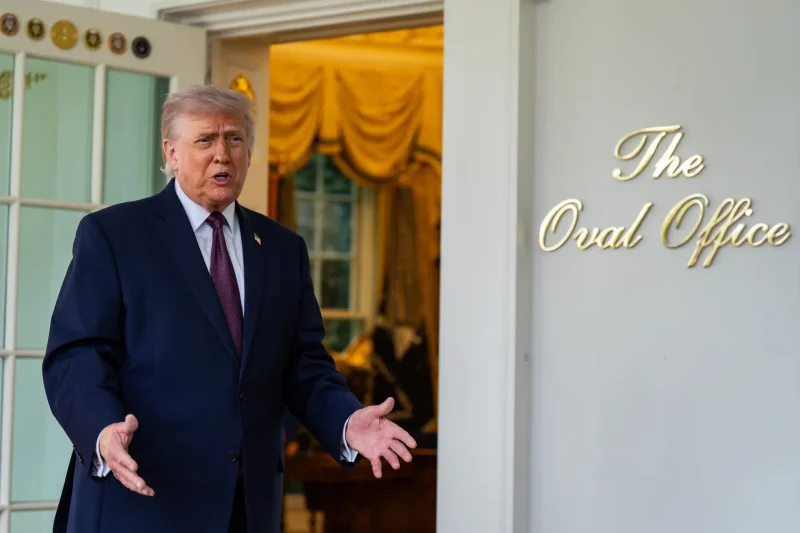
ISLAMABAD – President Trump told The Post on Tuesday that a second round of US-Iran peace talks “could be happening over the next two days” in Pakistan’s capital, walking back an earlier indication that negotiations would move to Europe.
In an initial phone interview, Trump said discussions were “happening, but, you know, a little bit slow” before suggesting Europe as the next venue. Roughly 30 minutes later, the president called back with a change of plans.
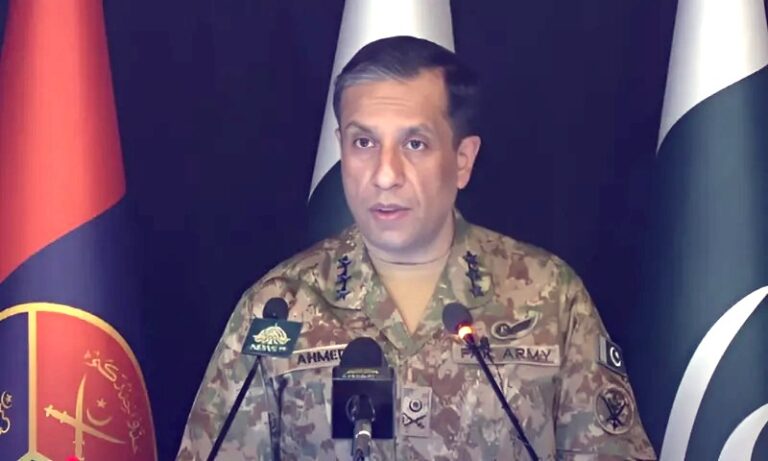
“You should stay there, really, because something could be happening over the next two days, and we’re more inclined to go there,” Trump said of Islamabad. “It’s more likely, you know why? Because the field marshal is doing a great job.”
The president was referring to Pakistan Field Marshal Gen. Asim Munir, whom he credited with ending his country’s four-day war with India last year through a US-brokered peace deal.
“He’s fantastic, and therefore it’s more likely that we go back there,” Trump said. “Why should we go to some country that has nothing to do with it?”
He added: “I just think he’s a great guy, that guy. The field marshal. You know he ended the war with India, saved 30 million people.”
Trump confirmed he would not personally take part in any potential second round but did not say who would represent the US.
Trump pushes back on nuclear proposal
The president also expressed dissatisfaction with reports that the US had asked Iran to suspend its uranium enrichment program for at least two decades during unsuccessful talks held over the weekend.
“I’ve been saying they can’t have nuclear weapons,” Trump said, “so I don’t like the 20 years.”
Asked whether a moratorium might give Iran a “win” to sell to its people as an incentive to agree, the president replied: “I don’t want them to feel like they have a win.”
Andrea Stricker, deputy director and research fellow for the Foundation for Defense of Democracies’ Nonproliferation Program, backed the president’s stance.
“Even a two-decade suspension of enrichment would raise significant verification challenges and heighten the risk of Iranian cheating,” Stricker said. “Only Iran’s full, verified, and permanent nuclear disarmament — including elimination of its enrichment, reprocessing, and weaponization capabilities — carried out while Trump is in office, can ensure the regime will not restore a nuclear weapons option.”
Stricker added that Trump’s dissatisfaction “should prompt his negotiators to return to Washington’s core demand: a permanent ban on Iranian enrichment.”
Iran shows ‘flexibility’ but draws red line
Retired Pakistani Lt. Gen. Muhammad Saeed, who has diplomatic experience with Iran, claimed Tehran has shown “flexibility” on uranium enrichment — but with a significant condition.
“Iran has to be able to take something back to its people that doesn’t look like a surrender,” Saeed said, describing the need for any compromise to be framed as being made “in the golden trust of the people.”
However, Iranian professor Mohammad Marandi, who accompanied Tehran’s delegation to the Islamabad talks, struck a far more defiant tone.
“A blockade won’t change Iran’s position,” Marandi said flatly, adding that “ending enrichment will not be accepted.”
The seven-week war between the US and Iran continues as diplomatic efforts remain uncertain. Trump did not specify what would trigger a final agreement, but his comments suggest that any deal falling short of a permanent enrichment ban is unlikely to receive his support.
Note: This article is a journalistic reconstruction based only on the NY Post piece you provided. If you need additional quotes, on-the-ground reporting, or reaction from the Pakistani or Iranian governments, you would need to supplement with further sources or clearly label those as “could not be independently verified.”